
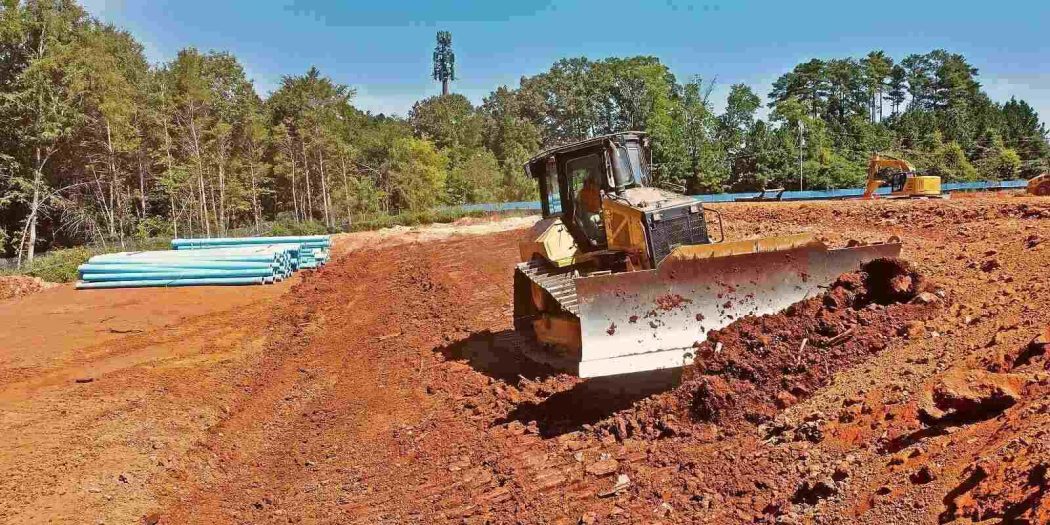
A well-shaped property is not just about appearance. The right grading directs the flow of rainwater over the terrain, minimizing pooled water, erosion, damage to the landscape, and foundation issues. If the slope of the land is not in the right direction, even a well-maintained yard can have drainage problems.
Professional Grading services can be used to level an existing site or to prepare the ground for building projects, whether you want a stable surface or a more visually appealing appearance. The right approach considers soil conditions, elevation, drainage patterns, structures, and the way water naturally moves through the property.
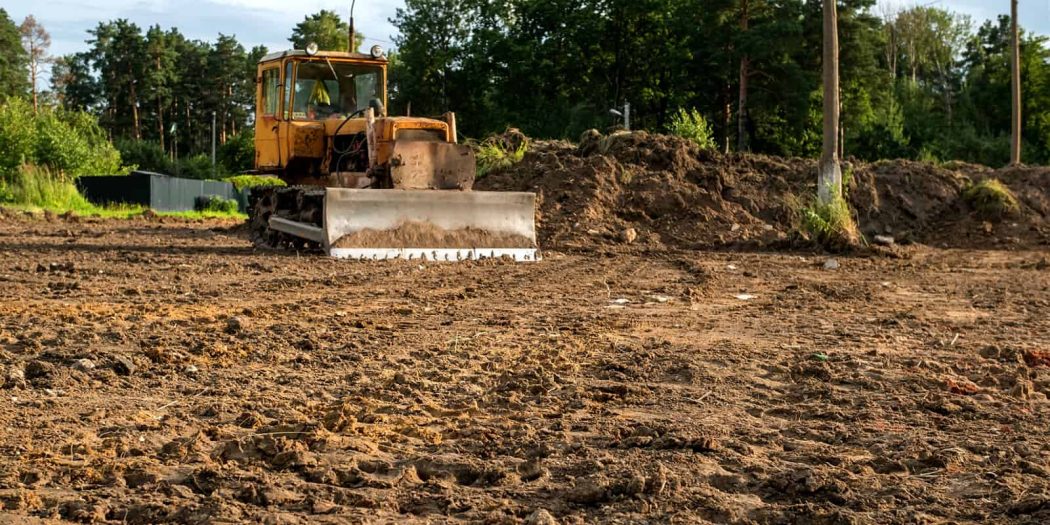
Why is Property Grading so important?
Surface water flows to the area graded after rain. Water should not pool around your home, retaining walls, driveways, patios, and other hard-to-protect areas, but should flow away.
Some issues can arise from poor grading:
- Bald spots around the base.
- Wet or muddy grassed areas
- Erosion of soil in the vicinity of plantings and hardscapes
- Washed away mulch and planting areas
- Basement moisture
- The emergence of uneven areas that turn into properties hard to preserve.
You don’t need a dramatic slope for the property to drain. When carefully designed, small elevation changes can make a big difference.
How Can Professional Grading Help Protect Your Foundation?
One of the most prominent issues with soil that slopes is water. Runoff can build up and pool against the foundation during heavy rain rather than flow to a suitable drainage area. Repeated exposure to moisture can, over time, lead to soil movement and other costly problems.
Professional grading will provide a slope that leads away from the building. While this is not a substitute for gutters, downspouts, waterproofing, or foundation drainage systems, it can be used in conjunction with them as part of a comprehensive water-management plan.
Low spots that collect water can also be leveled out by residential leveling. When planning to alter grades around a structure, existing drainage, property boundaries, utility locations, and local requirements should be taken into consideration.
Why Is Professional Grading Important In A Landscape?
Balanced drainage is essential to your landscape. Excessive moisture can cause roots to drown, lead to fungal issues, erode topsoil, and cause grass to struggle. Additionally, inadequate water supply to some locations could be a sign of misdirected water.
Professional grading will aid in providing more consistent drainage over lawns, planting beds, and other outdoor areas. It can also help to prevent erosion on a sloping property or features like walkways, patios, and retaining walls.
Grading contractors are not just transferring dirt from one location to another, but most importantly, forming a finish grade that can be used and that will complement the current site conditions.
Where Is Construction Site Grading Needed?
Site preparation is a crucial aspect of new construction. Sometimes land will need to be reshaped before construction of a driveway, home, addition, patio, or other structure to ensure that the elevations and drainage pattern are achieved.
Site preparation for construction includes flaring and filling, compaction, and slope setting. Proper grading enables the formation of a more favorable foundation for subsequent construction operations.
On larger sites, commercial land grading may be more complex and require greater planning, as drainage, access, parking areas, buildings, and any surfaces that are around the property must all work together.
What Happens on a Grading Project?
Each property will have its own unique soil, elevation, drainage, and access requirements, and so grading should start with an assessment and not a “one-size-fits-all” solution.
A representative project can consist of:
- Existing elevations and drainage pattern evaluation.
- Spotting low spots, slopes, and problem areas
- Deciding on the target finish grade
- Shaping and moving the soil as necessary
- Surface compaction/ stabilization.
- Drainage and final elevations checked
Other drainage might be required, depending on the property. To design a grade that will allow the intended use of the land but minimize water-related issues.
Signs Your Property May Need Regrading
Some symptoms are not immediately noticeable. Following a rain, examine to see if water always pools in the same spots or drains toward the home. Settling soil, muddy areas, exposed roots, noticeable erosion, or frequent damage to the landscape can also indicate grading issues.
An evaluation might also be needed when you’ve recently installed a patio, driveway, retaining wall, landscaping, or anything else that altered the way water is distributed across your property.
If drainage issues are corrected early, it will be less disruptive than correcting drainage patterns when water has already started to cause damage to a foundation or to settled landscaping.
Why Jim’s Paving & Chip Sealing?
Jim’s Paving & Chip Sealing offers a rational approach to creating long-lasting outdoor surfaces and site preparation for property enhancement. When grading for work, you’re not just moving dirt, but working to produce a stable surface that will allow for drainage and the use you are planning for the property.
Whether you’re planning on making improvements to your home or larger projects on your site, the proper preparation can ensure that the future paving, landscaping, and construction projects are more reliable. If your home has any drainage issues, or if there are any low spots or reshaping that needs to be done, a drainage assessment can help identify the best solution.
Conclusion
Proper grading is a critical element in the protection of your property and underlying soils. A well-contoured landscape will be easier to maintain, minimize erosion, and be less prone to water damage to structures by eliminating low spots that cause run-on.
When it comes to achieving the right plan, whether you’re looking for affordable grading for a residential improvement or site preparation for a larger project, it all begins with understanding how your property handles water. Evaluation and shaping the soil appropriately can give landscapes, paving, and future construction a better foundation. Jim’s Paving & Chip Sealing can help assess your property and determine the professional grading approach that fits your landscape, drainage, and planned improvements. Contact us today to discuss your grading and site preparation needs.
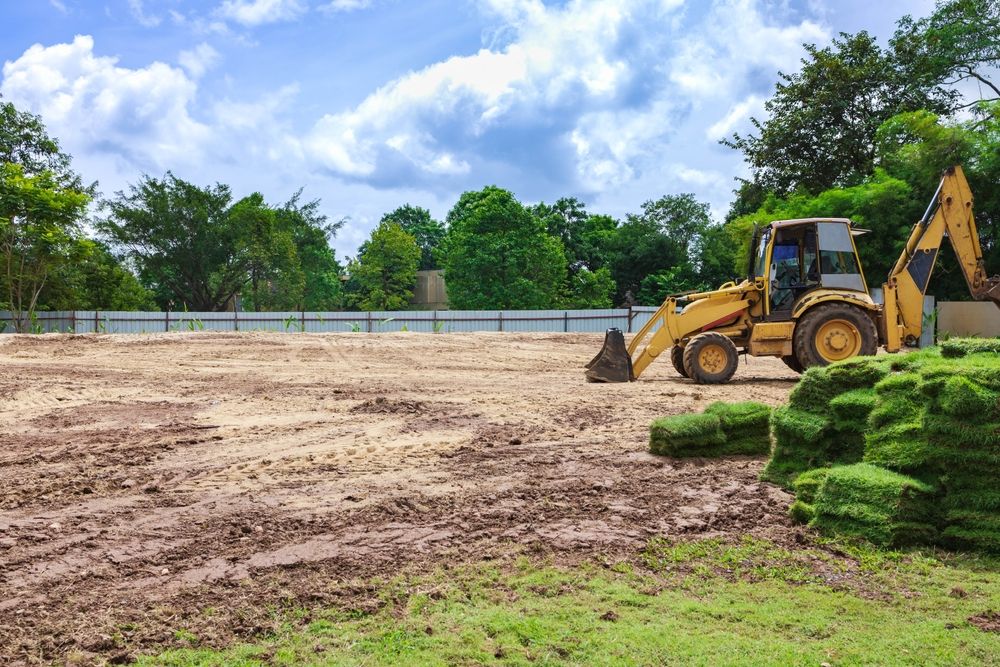
Grading Services FAQs
- Why grade a property?
Grading is used to create the proper elevations and drainage. It is useful for channeling surface water to appropriate drainage regions and for diverting surface water from structures and/or sensitive landscape features.
- Will professional grading eliminate yard water ponds?
Low areas where water pools may be corrected by regrading, but this is the appropriate solution depending on soil, slope, rainfall, and existing drainage. Additional drainage may be required on some properties.
- What is the difference between residential leveling and grading?
They are similar, but can have different objectives. The main difference between the two is that residential leveling could be directed at leveling out a low or uneven area, while professional grading is specifically for creating a slope or elevation for drainage or construction.
- When must professional grading be redone?
There is no set time frame. Once correctly completed, grading can last for years, but may need to be adjusted due to erosion, changing construction, soil settlement, and/or drainage issues.
- Is it possible to grade before landscaping?
Yes. Oftentimes, grading will be done before final landscaping because it gives the overall shape and drainage pattern to the property. Completing the grading before installing landscaping can be beneficial in preserving the later work.