A driveway has to handle all the traffic, weather, moisture, and sun. These can result in fading over time, small cracks, and surface wear. A chip seal driveways can be a viable option to rejuvenate and preserve a structurally sound pavement without full reconstruction.
Chip sealing involves applying aggregate stone and liquid asphalt binder to produce a durable, textured surface. Used for residential driveways, private roads, parking areas, and commercial pavement. However, it’s important to first understand how this treatment works, where it’s successful, and where this treatment might not be the best option for paving.
Chip Seal Driveways: What Is It?
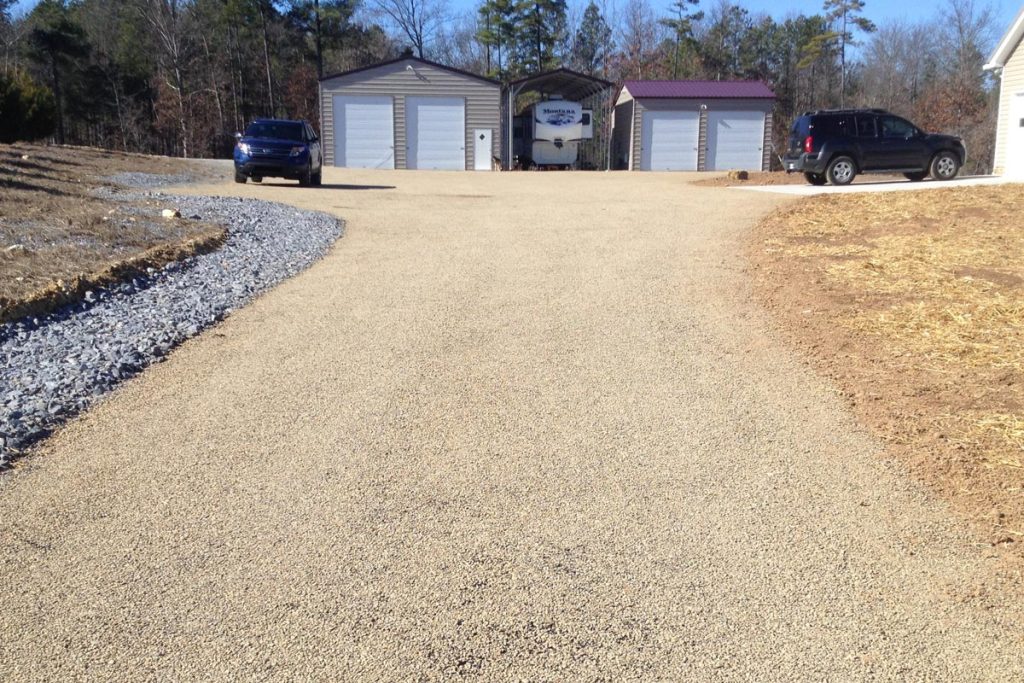
Chip seal driveways are a pavement surface that is prepared, sprayed with a liquid asphalt binder, and covered with small aggregate chips. The stone is then compacted into the binder to create a protective wearing surface that is protective.
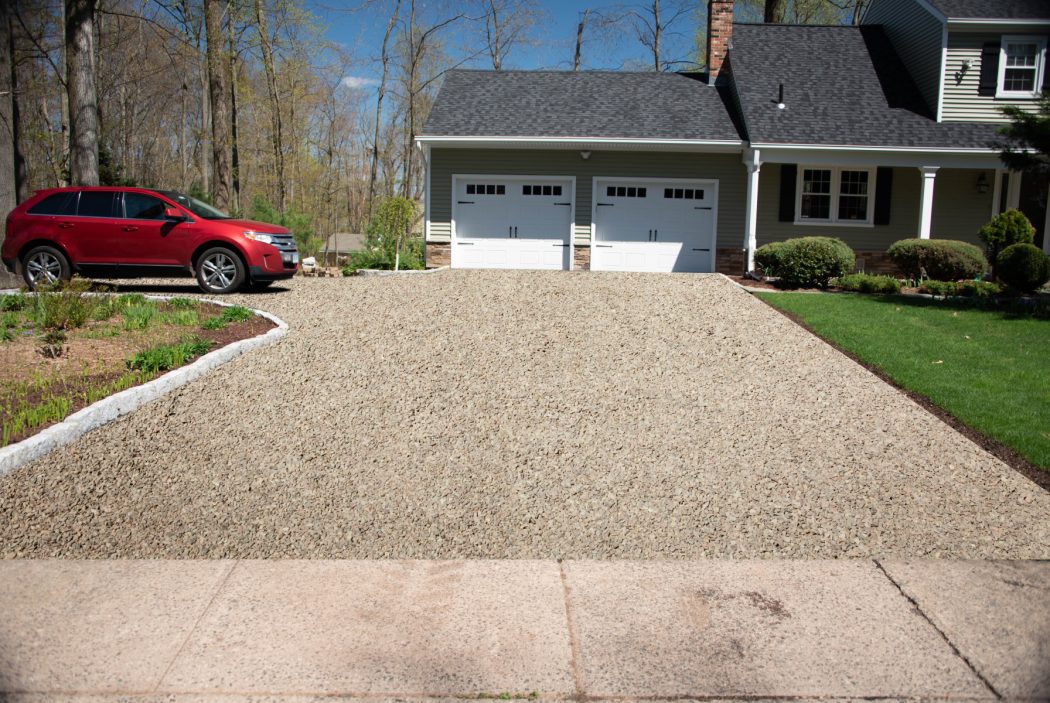
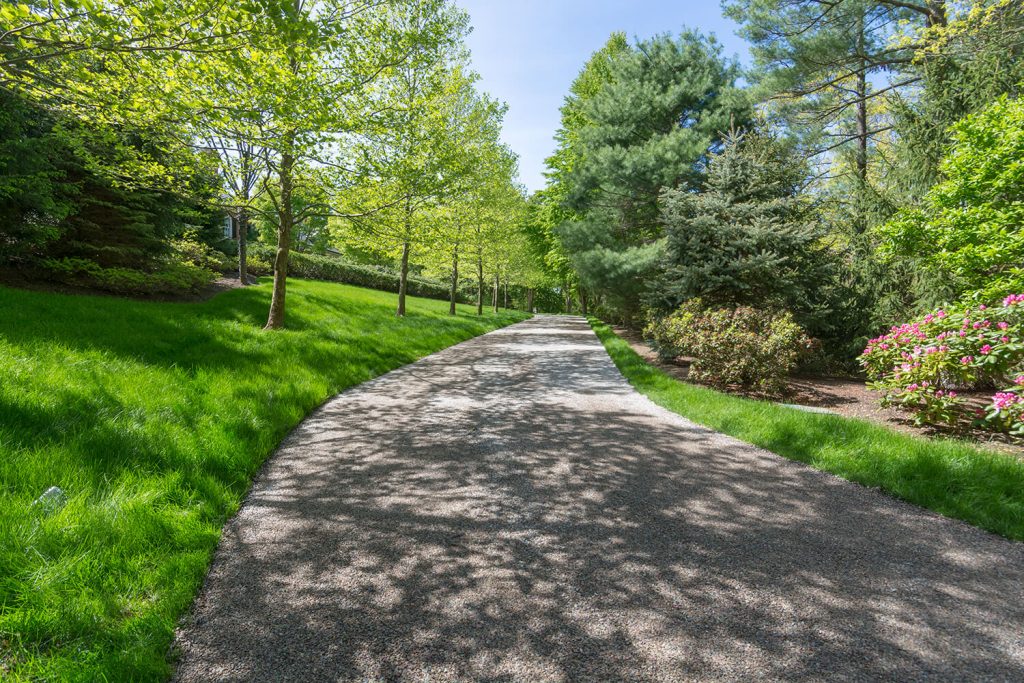
Chip seal is not a completely smooth black surface like conventional asphalt. The stone that is visible will add texture to the driveway and may offer extra traction.
How Does Chip Seal Application Work?
The actual procedure may vary from project to project, but chip seals are typically applied in the following steps:
- Inspection of existing pavement.
- Cleaning dirt, debris, and loose material.
- Crack repair or patching of appropriate cracks or damaged locations.
- Even application of the asphalt binder.
- The addition of aggregate chips over the binder.
- Embedding the stone by rolling the surface.
Cleaning the excess loose aggregate from the surface after it has settled.
In particular, preparation is crucial. It is important for the existing pavement and underlying base to be stable for chip sealing to work best.
What Are The Primary Advantages Of Chip Sealing?
Chip sealing may prove to be beneficial to the property owner in a number of practical ways if the goal is to prolong the life of an existing paved surface.
An Economy Paving Solution.
One of the often-cited reasons for considering chip sealing is due to the possibility of lower costs. If the pavement is considered to be in reasonably good condition, a surface treatment may be a more cost-effective option than removing and replacing the entire driveway.
So, for those who want to shield their pavement and also control project costs, using an inexpensive driveway seal coating may be a great option.
Added Surface Protection
The asphalt binder will form a protective film on top of the pavement. Can help reduce moisture penetration and minimise the effects of oxidation and surface exposure.
This again will not protect the pavement from damage, but can be an additional line of defense when the pavement is adequately prepared and maintained.
Better Traction
The exposed aggregate creates a natural textured surface. This can provide vehicles with traction and add a different texture than smooth asphalt to the driveway.
Distinctive Appearance
Chip seal is a more natural and stone-like surface than conventional asphalt. For properties that can’t have a uniform finish, this can be a great option.
What Are The Drawbacks Of Chip Seal Driveways?
Not all paving treatments are suitable for all properties. It is as important to understand what chip sealing cannot do as it is to understand what it can do.
The Finish Is Textured
The stone aggregate is visible after installation. Traditional asphalt paving might be a better choice for homeowners who prefer a perfectly smooth appearance of their asphalt.
There is a possibility that loose stone may occur after installation.
A certain amount of loose aggregate may be left on the surface immediately after application. This is controlled by proper rolling, curing, and clean-up. You must also follow the instructions given by the contractor in regard to driving and parking.
It cannot fix major structural issues!
Chip sealing is a surface treatment for the most part. Not intended for base failure, extensive potholes, major settlement, or widespread pavement deterioration.
If the underlying pavement condition is in serious structural condition, the structural problems should be solved before considering a chip seal treatment.
Weather Matters
Temperature and weather conditions can affect the application and curing process. An appropriate installation window allows for proper bonding between the binder and the aggregate.
When Is Chip Sealing A Good Choice?
Chip sealing may be appropriate when a pavement surface is undergoing minor surface deterioration, but is structurally stable.
May be worth considering when you notice:
- Deteriorating and/or rusted pavement
- Minor surface cracking
- Normal wear due to traffic.
- A need to add more surface protection.
- The need to rejuvenate pavement when it is not being replaced.
Commercial and residential chip seal paving can be applied to appropriate driveways, private roads, parking areas, and paved surfaces on larger properties.
However, a site evaluation is necessary as the type of pavement, damage, drainage, and traffic levels can all affect the recommended approach.
What Can Be Done To Maintain A Chip Seal Driveways Surface?
With proper maintenance, the condition of a treated surface can be maintained.
Tackle issues at an early stage.
Small cracks, drainage problems, and a little damage should not be overlooked. Early detection of problems can help avoid their escalation into bigger pavement issues.
Always maintain the Surface Clean.
Pavements can get covered with leaves, dirt, oil, and other materials. Regular cleanings are important to keep it looking good and to make it easier to identify if there are any new surface issues.
Be on the lookout for Standing Water.
Insufficient drainage can reduce the service life of pavements. Water should not continually puddle in low spots but should drain clear of the driveway.
Follow Post-Installation Instructions
Your chip seal driveways company should inform you of the recommended waiting period before you drive on the chip sealing and what special precautions should be taken during the curing period.
Choosing The Right Chip Seal Driveways Company
Prep and application are key to the quality of the finished surface. Don’t just compare prices of a local chip seal company.
Seek out a company that will be able to explain:
- How your existing pavement will be prepared
- What type of aggregate and binder will be utilized
- What repairs need to be made before application?
- How the surface will be compacted
- What curing time to expect
The maintenance to be performed on the completed pavement.
A clear estimate should also make it possible to understand what will be included in the project. Selecting a contractor on the basis of the lowest tender might also cause difficulty if any important preparation work is not done.
Why Consider Jim’s Paving & Chip Sealing?
Jim’s Paving & Chip Sealing offers paving and chip seal driveways services for home and property
owners seeking a better way to enhance and preserve paved surfaces.
All pavements are unique. The appropriate treatment will vary with surface type, use, traffic, drainage, etc. Jim’s Paving & Chip Sealing can be helpful in assessing these factors and helping to decide if chip seal driveways is the right project.
The aim is not just to provide a non-ageing surface. The use of proper preparation, materials, application, and maintenance all lead to a better outcome.
Last Thoughts on Chip Seal Driveways
If a driveway’s pavement is in good shape, a chip seal can be a viable option for maintenance and rejuvenation. It can be used in residential and commercial properties due to its potential cost advantages, textured surface, and surface protection.
Chip sealing is not an alternative to the rehabilitation of heavily damaged pavement, however. When selecting a treatment, the condition of the existing surface should always be taken into account.
When considering chip seal repair and maintenance options, the first step is to assess the pavement properly. With proper treatment, site preparation, and maintenance, you should be able to obtain greater value from your paved surface. Get a free quote today!
Frequently Asked Questions
- Is chip seal less expensive than asphalt paving?
When the pavement is structurally sound, chip sealing may be a more cost-effective choice than replacement. Actual costs are dependent on surface condition, preparation, size, material, and site requirements.
- Is it possible to chip seal an existing driveway?
Yes. Chip seal is frequently used to lay over an existing pavement provided the pavement surface is stable and properly prepared. If there is damage to the structure, other repairs may be needed to be completed first.
- How long will the chip seal driveways last?
It has a service life that is related to traffic, weather, drainage, installation quality, pavement condition, and maintenance. The longevity of the surface can be prolonged by regular care.
- Does chip sealing prevent water from entering the pavement?
It enhances resistance to water penetration with the inclusion of an asphalt binder layer but is not totally waterproof. Drainage and prompt repairs are still very important.
- Is it possible for cars to drive on chip seal immediately?
Not necessarily. The surface should be allowed a period of settling and curing. Carry out vehicle-specific recommendations made by your chip seal driveways company after the job is completed.