The beauty of a landscape and the foundation of a building are not just about what is above ground. Sloping and directing water are important factors in protecting properties. When drainage is inadequate, it can cause standing water, soil erosion, destroyed plants, and foundation issues.
This is where grading services come into action. Correct land grading provides the correct slope to carry water away from buildings and help promote healthier landscapes. In any type of property or construction site, or a large business center, considerate grading strategies can prevent pricey troubles from even beginning.
Why is the right land grading important for your land?
Land grading is the shaping and leveling of land to provide adequate drainage and a level surface. The aim is not necessarily to make land completely flat. Instead, grading is used to produce controlled slopes, where required by the property.
Rainwater drains away from a structure naturally, which decreases moisture-related risks around the foundation. Simultaneously, the correct grading can enhance the use and look of the outside area.
Helps to keep water away from the foundation
One of the most frequently occurring problems of poor grading is water collecting around a house’s foundation. Excess moisture can, over time, leak in around the structure and cause pressure on foundation walls.
Careful planning of the slope allows the surface water to flow away from the building. This minimizes the chance of soil shifting, water infiltration, and ongoing structural issues.
Produces a More Stable Outdoor Surface
Uneven ground can create more than drainage issues. Low areas can fill with mud, and soft soils can wash out during heavy rain. Good grading provides a firmer foundation for landscape, driveways, patios, and other exterior features.
How Can Grading Services Help to Save Your Landscape?
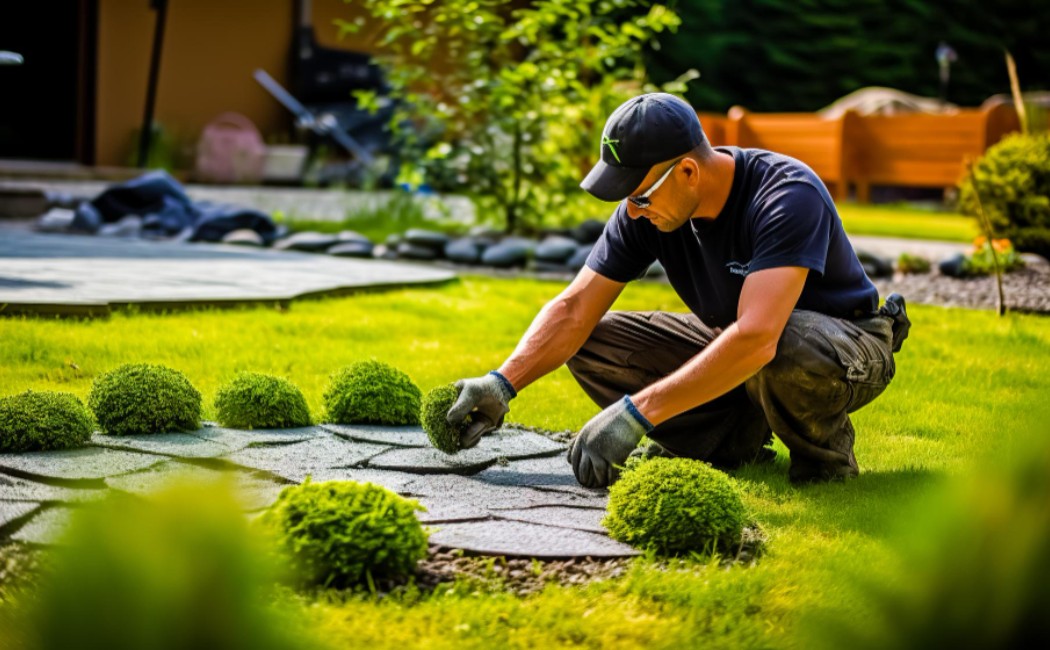
Good soil health is essential for successful landscaping. Excessive watering can lead to root rot, and uncontrolled runoff can lead to soil erosion and mulch loss. Correct grading will result in improved water flow around the property.
Reduces Soil Erosion
High rainfall can cause soils to wash off and down slope, particularly when slopes are involved. Eventually, erosion can cause plants’ roots to be exposed, harm the lawn, and alter landscape form.
Grading can control slope and runoff, which decreases the amount of force that runoff can have on the weak spots of the slope.
Helps healthier plants and lawns
Poor drainage and standing water can lead to root suffocation and disease. However, with proper grading, the land would drain excess water while retaining adequate soil moisture.
This balance simplifies the upkeep of landscaping and safeguards the investment in plants, sod, and outdoor improvements.
Enhances the use of the outside areas
When it rains, a yard should not be a pool of puddles or mud spots. Grading can help smooth out uneven or sloping surfaces and enhance drainage, creating a more functional outdoor space for year-round use at an affordable grading cost.
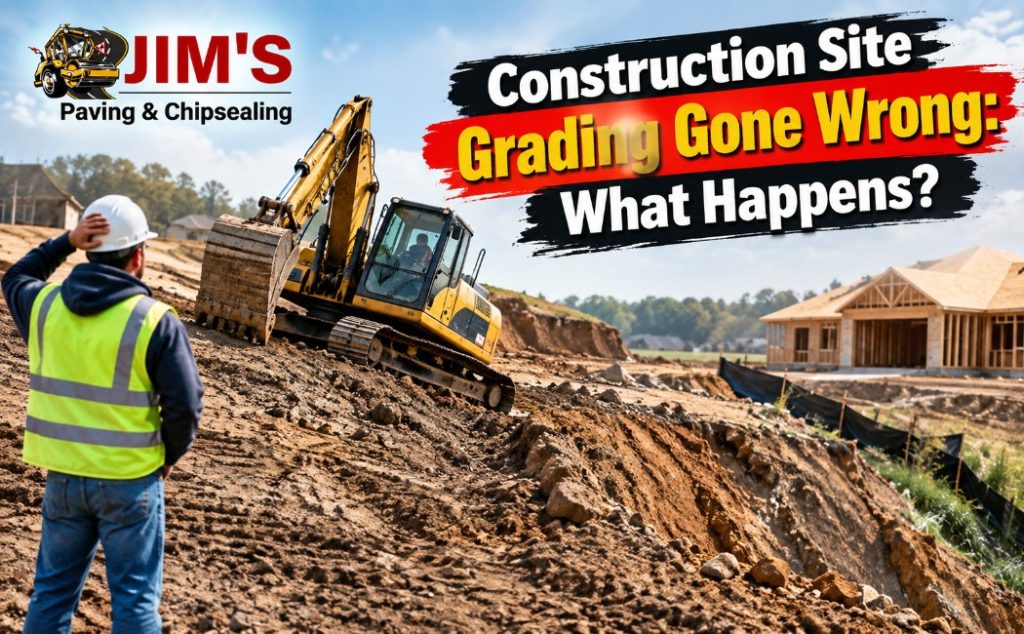
Construction Site Grading Gone Wrong: What Happens?
Grading should start prior to the completion of construction. The purpose of construction site grading is to ready the land for structure, pavement, drainage, and landscaping.
If not prepared properly, problems can arise under or around finished surfaces.
Unstable Ground Can Affect New Construction
Buildings, driveways, and paved areas require adequate sub-base preparation. Settling and surface damage over time can be caused by uneven or poor compaction.
Grading will be used to help develop the project and in preparation for the next phase of construction.
Drainage Problems Can Damage Finished Surfaces
Adequate water movement is needed to ensure soil under paved surfaces is not degraded. This can lead to cracking, sunken areas, or early deterioration.
Commercial land grading and parking lot grading are especially pertinent for larger developments, as both zones face the challenge of handling surface water and everyday traffic.
Role of Grading in Agricultural and Large Properties?
Grading does not have to be restricted to home and construction projects. In areas where land is being graded for agricultural use, agricultural land grading can be used to enhance the uniform distribution of water and minimize erosion between fields.
Larger properties may require some adjustment to natural slopes for drainage, access, or future development. The proper grading program takes into account soil conditions, current elevations, and intended soil uses.
Improved Water Use on the Land.
The uneven terrain can lead to water pooling in some spots and becoming over-dry in others. Strategic grading can lead to more uniform drainage patterns and enhance land uses.
Preparations for Land for Future Improvements
Improper grading is a poor foundation, whether farming, construction, paving, or landscaping is your project. Elevation and drainage issues can be corrected in the early stages to avoid costly changes at a later time.
How to Choose a Local Grading Company?
Picking a local grading company isn’t just about the price. Each piece of land is unique in terms of soil, topography, drainage problems, and project needs.
Find the best grading contractors that assess the site and offer a solution. A competent team should have an understanding of the relationship between grading and drainage, paving and construction, and long-term property maintenance.
This should not be a single solution for all, but rather be based on the land itself.
Jim’s Paving and Chip Sealing is a local business in Belleville, NJ.
Jim’s Paving and Chip Sealing offers solutions to enhance and preserve outdoor surfaces. Whether it’s site preparation or paving-related work, good groundwork is crucial for achieving lasting results.
By understanding how water, soil, slopes, and the surface materials interact, the property owner can make more effective decisions before starting an outdoor improvement project. Correct grading may be a useful initial measure for ensuring the safety of the landscape and the facilities constructed on it.
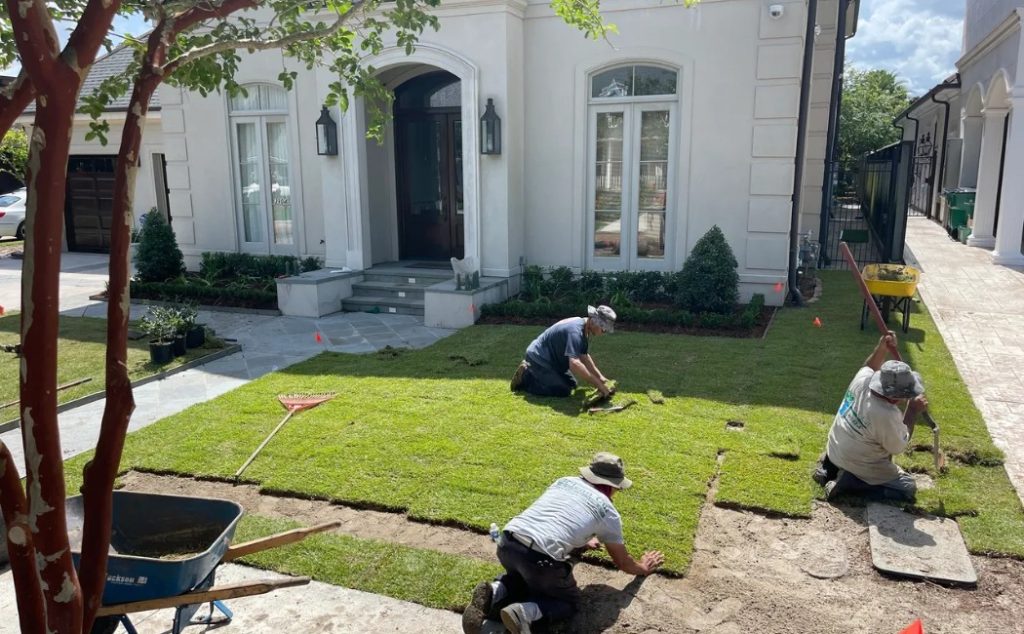
Simply Put, Stop the Damage to Your Property!
Water flowing in the wrong direction is the root cause of many property issues. Good grading can help manage that movement and provide stabilization and defense of soil and stable surfaces around your property.
If you are dealing with residential land preparation or with commercial land grading, or simply with some drainage issues to be sorted out, it is important to deal with the grading problems early on to avoid any more complicated problems later.
People Also Asked
What are grading services?
Grading services involve altering the shape and slope of land to enhance drainage, stability, and surface preparation for landscaping or construction work.
- Is it possible for bad grading to harm a foundation?
Yes. Bad slopes can cause the water to pool around the foundation, which can result in water damage over time.
- What is the best time to do land grading?
Grading is frequently done prior to construction, paving or landscaping, but corrective grading may be needed if drainage issues are present.
- What is grading of the parking lot?
Parking lot grading is a fundamental step in the construction process of a parking lot that occurs prior to the installation of the paving.
- When is it time to grade my lawn?
If there are any areas that have standing water, soil erosion, soggy spots, low spots, or water running toward your house, you may have a grading problem.