
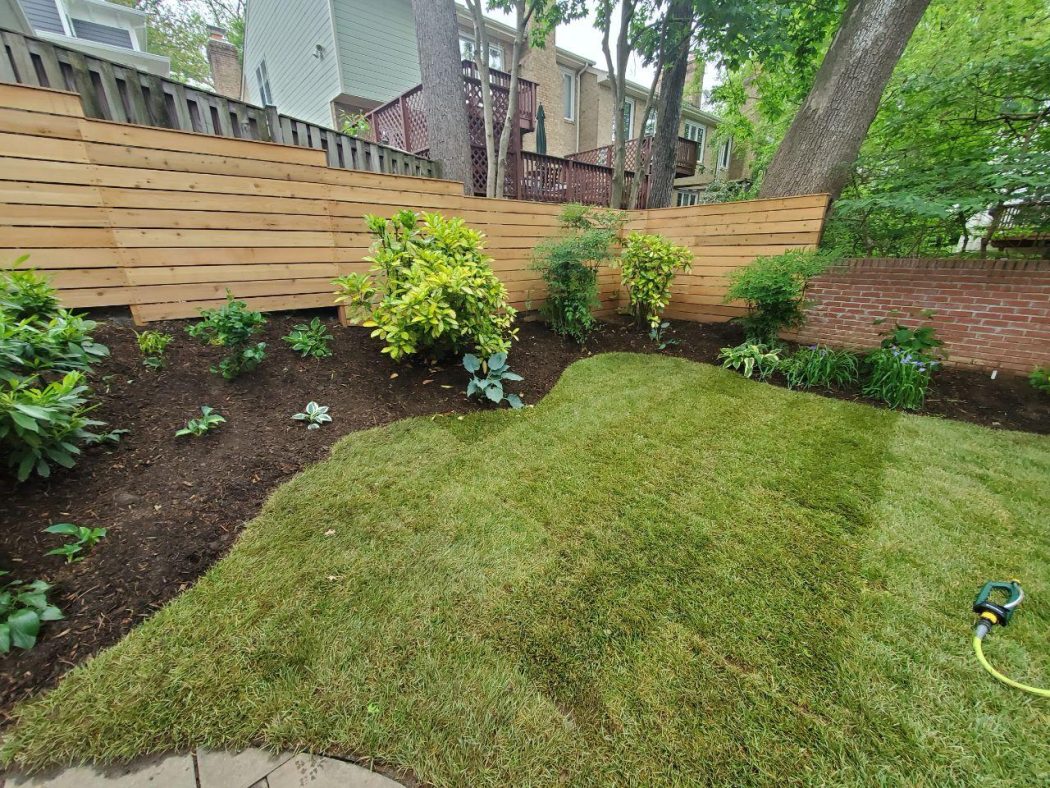
Although it may seem flat on the surface, minor differences in height can make a huge impact on the way water flows across the landscape within a yard. Proper yard grading creates controlled slopes that direct rainwater away from structures, reduce standing water, and improve outdoor space usability.
From creating a new home to enhancing outdated landscapes and overcoming ongoing drainage issues, residential land grading can offer a solid foundation for a healthier and more functional yard.
What Does Yard Grading Mean?
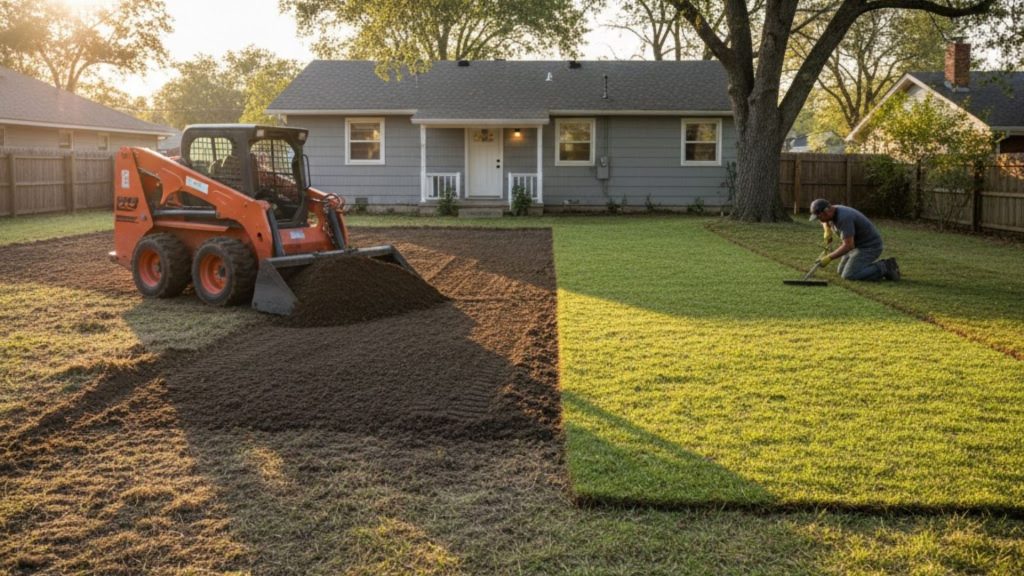
Yard grading involves the moulding and smoothing of the land to establish a designed slope over a site. Not always is the idea to completely flatten the ground. Instead, attention is paid to the correct adjustment of the surface so that water drains to the proper area and not to the foundation, walkways, driveway, or low spots.
The grading can include the removal of excess soil, the addition of fill, the compaction of soil, and a gradual rise in elevation. The final slope will be determined by yard use, structures, existing drainage, and/or property layout.
Effective grading to control water.
Bad drainage usually begins with the flow of water on the surface. Rainfall may pool and puddle where it shouldn’t if the soil slopes towards the house or has pockets or holes.
Correct grading is beneficial because it:
- Redirects runoff from foundations
- Minimises puddles and muddy areas
- Limiting soil erosion
- Promotes healthier grass growth
- Helping prevent water from collecting around outdoor structures
Yard grading is not the only factor in providing good drainage. Runoff can also be affected by gutters, downspouts, drainage systems, soil conditions, and landscaping. These elements are all taken into account in a well-planned yard.
Signs that your property might require regrading.
There are some grading problems that are readily apparent following a hard rain. Persistent pooling in the same areas could indicate a problem with the slope.
Some common signs are water that does not drain away after hours or days, water puddling around the house, muddy walkways after storms, exposed roots, and water pooling around the foundation. Cracks or settlement around patios and other hard surfaces may also be a sign of changes in surrounding soils.
Complete regrading is not necessary for all drainage problems. A site evaluation will assist in deciding if a small correction, more drainage, or wider yard grading is necessary.
Outdoor Area Enhanceability
Yard grading is important for drainage purposes only. The ground underfoot can make or break your ability to enjoy your yard.
Mowing can be a challenge; areas can be a trip hazard and can prevent patios, garden beds, play areas, and other outdoor enhancements. Elevation changes can be corrected to provide for smoother transitions between areas of the property when the change is significant.
An adequate yard slope can also help to make future landscaping easier. Soil surface should be prepared for the intended design prior to sod, planting beds, retaining features, or hardscaping.
How is Residential Land Grading Done?
Typically, a project starts with an evaluation of the present property. The grading crew takes into account the changes in elevation, drainage, soil conditions, structures, and where the runoff should go.
The following steps may involve:
- Changing or adding soil as needed.
- Slope-forming soil to create the desired slope.
- Compacting fill to improve stability.
- Elevation and drainage investigation.
- Making final adjustments before landscaping or other work.
Specific strategies for each property will differ. Existing conditions are important; therefore, the Yard grading process should be planned around the site rather than being one-size-fits-all.
How To Pick The Correct Grading Service
When searching for dependable grading solutions, do not just seek a yard that is level. Inquire about the company’s assessment of drainage, treatment of existing soil, surface preparation, and approach to structures.
Local knowledge can also be valuable for property owners seeking a Top Grading Company in Henderson, TX, as soil and weather conditions can impact grading choices. The work proposed by a contractor should be clearly explained, and the contractor should let the customer know where the excavated and/or imported material will go.
Landscape Grading Experts can also help manage grading in conjunction with overall landscape plans, especially if drainage improvements are required to complement lawns, planting beds, or hardscaping.
The Importance Of Quality Once The Equipment Goes Away
Grading isn’t just about the transfer of dirt from one location to another. Loose fill and/or an improper slope can result in new low areas as soil settles.
It is important to keep in mind that High-Quality Grading Services should not only cover the earthwork but also the end product. Good yard preparation and compaction, together with the correct direction of drainage and correct shaping, will help the yard to better serve in changing weather.
It is still useful to periodically review the property after big storms. Changes that may require addressing can be uncovered with new erosion, settlement, or pooling.
About Jim’s Paving & Chip Sealing
Jim’s Paving & Chip Sealing offers dependable solutions for paving and surface maintenance on properties and road surfaces that demand dependable preparation and maintenance solutions. It offers asphalt paving, chip sealing, sealcoating, and surface work services.
If you’re engaged in a project that includes grading and paving, you know that it is essential to prepare the ground properly for a stable finished product. The team can discuss with a property owner what the site conditions and project requirements are and then discuss an appropriate approach.
Conclusion
The right yard grading can make a huge difference in yard use and the way the yard responds to rain. Grading can solve drainage issues and provide a stable surface by channeling water properly, eliminating low areas, and paving the way for future yard improvements.
If your property is consistently plagued with puddling, erosion, or runoff issues, a good first step is to assess the site’s current slope. Get your free estimate today.
FAQs
- What is the primary reason for yard grading?
The main idea is to control the topography to help drain water into the proper areas rather than into pockets or low-lying areas where structures are present.
- When is it time to re-grade?
If the puddling persists, if there are any areas where the soil has eroded, if there is any mud that enters your foundation system, then you have a problem with grading.
- Will grading eliminate standing water?
It can help if standing water is due to an inappropriate slope. Other drainage issues may require additional solutions.
- Does yard grading help before landscaping?
Yes. Correct grading creates an appropriate surface and drainage pattern for lawns, gardens, patios, and other enhancements.
- Is graded soil in need of maintenance?
Yes. The surface may change over time due to heavy rain, erosion, settlement, and landscaping changes, so periodic inspection is helpful.