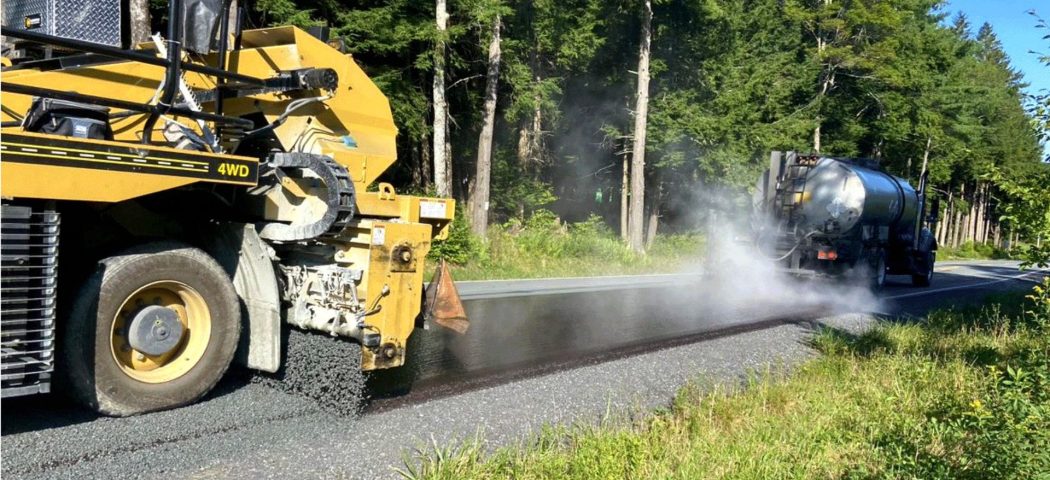
Rural roads are sometimes long and are exposed to varying weather conditions, heavy vehicles, dust, moisture, and regular wear. A traditional asphalt overlay isn’t the only way to keep these roads in good condition. Chip seal is a practical method of surface treatment that can help preserve pavement, enhance traction, and extend the life of a pavement when the existing pavement is appropriate.
Why Chip Seal Works Well Outside the City
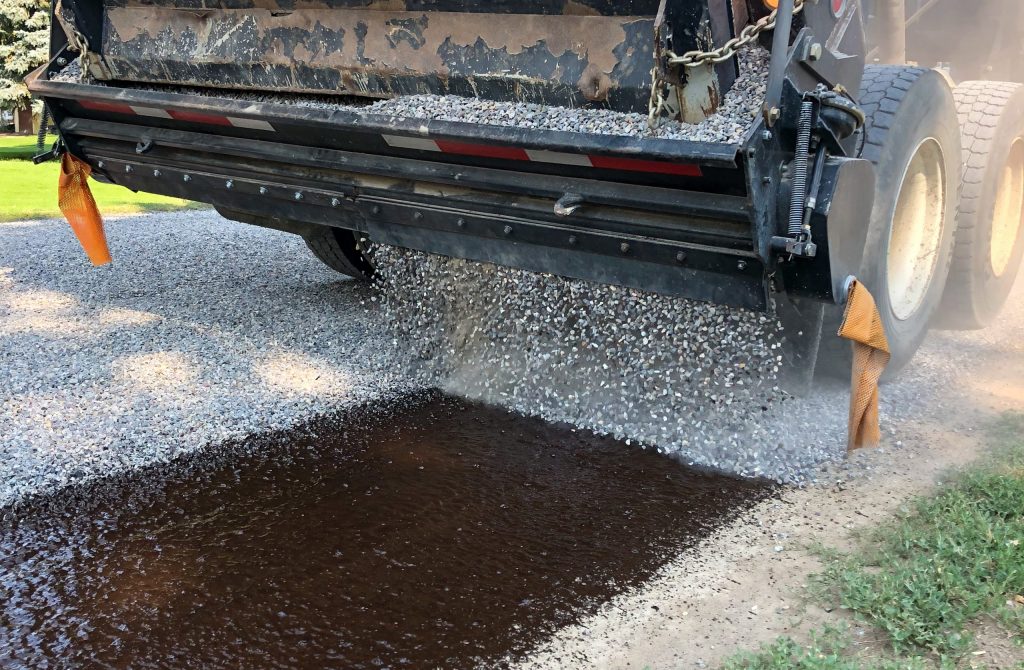
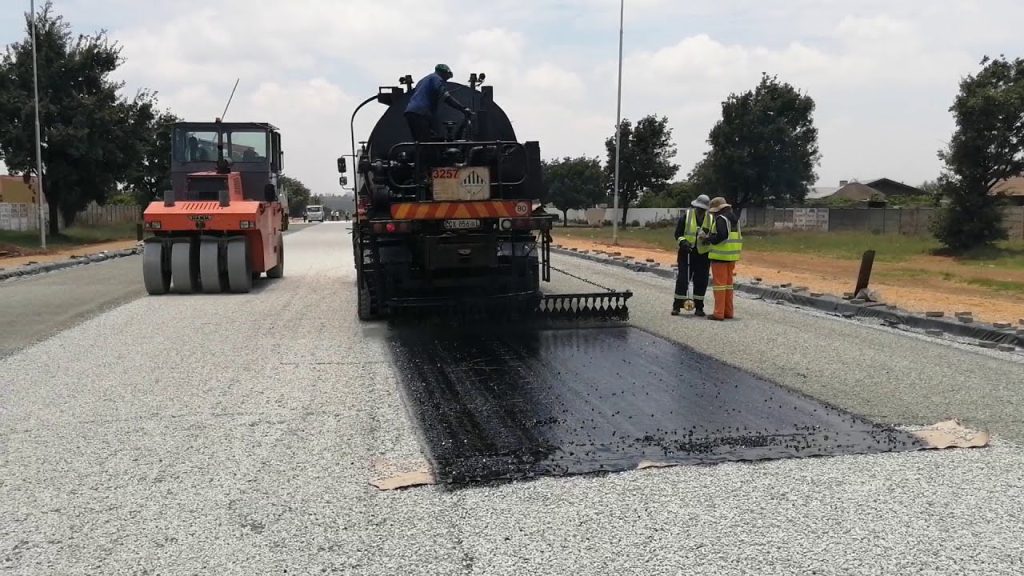
Chip seal is a blend of specially-sized aggregate chips and liquid asphalt binder. The binder is laid over the old pavement, and the aggregate is placed over that and compacted. This provides a long-lasting wearing surface and avoids a full-depth reconstruction.
This may be acceptable for rural roads, as many roads may have wide surfaces but have lower traffic volumes than the main urban roads. An adequate treatment can help to manage the surface deterioration and reduce the challenge of the project.
A Defense Technique Against Water and Wear
Water is a major factor in pavement deterioration. Any areas where cracks exist can allow moisture to enter and cause subsurface damage. Chip Seal treatment will seal small surface openings and provide a waterproof barrier.
The coarse texture of the rock surface may also offer some beneficial skid resistance, especially if rainfall or weather changes are subject to the road. But chip seal is not the answer to all pavement problems. If major structural failures, severe base damage, or extensive potholes exist on roads, these may require further repairs prior to treatment.
Costs Can Make a Difference on Long Rural Routes.
The fact that chip seal is cost-efficient is one of the reasons property owners, municipalities, and other road managers use this method. Chip seal can also use fewer resources than replacing or extensively rebuilding the roadway when applied to a long stretch of pavement.
However, this shouldn’t be the only factor to take into account. The condition of the existing pavement, drainage, traffic levels, climate, type of aggregate selected, and preparation all impact the final result. The proper evaluation will help decide if chip seal is the proper investment.
Commercial chip seal paving may be a viable option on larger properties and commercial access roads to keep these large paved areas in good condition, rather than always resorting to the more expensive resurfacing options.
The Difference in Surface Preparation
Good results start before the asphalt binder and the aggregate reach the road. Any existing issues, such as cracks, potholes, drainage issues, and damaged edges, should be considered first.
Chip seal repair can include patching of areas requiring it and correction of surface defects prior to the application of the material, depending on the condition of the pavement. Pavement cleaning is also significant as dust, loose material, and debris can impair the bond between the binder and aggregate.
This is where you need to pick the right chip seal paving company. This does not involve dumping stone on an existing road, but rather the use of the correct materials and equipment at the proper time and with the correct surface preparation.
Chip Seal versus Asphalt Paving.
While traditional asphalt paving and chip seal are both used for different purposes, when a road requires a major resurfacing or reconstruction, asphalt paving may be the right choice. Chip seal is typically more suitable for preservation and protection of an existing pavement structure that is basically sound.
Therefore, selecting one over the other should depend on the condition of the road in question and not on the assumption that one of the treatments is always preferable. An assessment of the paving can help to determine if the paving should be preserved, resurfaced, or reconstructed.
Even Maintenance Has a Function
Even the best surface treatment requires regular care. Potholes, drainage problems, edge deterioration, loose aggregate, and incipient fractures can be issues to monitor during the maintenance of chip seal driveways and rural roads.
If you tackle minor issues early on, you can avoid them turning into much bigger and costlier repairs. Regular checks are particularly important following extreme weather conditions or heavy use.
The importance of using the right application
Before beginning the chip seal paving job, consider such variables as aggregate size, binder application, weather conditions, traffic, and pavement condition. The application timing is critical since the binder must be applied under appropriate conditions to ensure that it will bond with the aggregate.
Do not rely solely on statements such as “best chip seal services”, but rather find a company that is able to discuss what the treatment will be, how the surface should be prepared, and how the road needs to be treated.
About Jim’s Paving & Chip Sealing
Jim’s Paving & Chip Sealing is a paving and surface-treatment company that focuses on the property and condition of each job. Whether it’s chip seal work, repairs, or property owners in need of any kind of asphalt-related paving, they can first understand their options before making a decision.
The objective is simple: deliver effective paving solutions that lead to safer, more functional, and durable pavement. If you are looking at chip seal for a rural road, driveway, or other paved area, Jim’s Paving & Chip Sealing can help you decide if it’s right for your project.
Smarter Way to Preserve Rural Pavement
Chip seal may be a good alternative for an existing rural roadway that lacks structural integrity but requires moisture protection, protection from surface degradation, and will be subjected to normal traffic. Due to its durability, traction, and cost-effective application, it’s worth considering for many long stretches of pavement.
When preparing to schedule work, check the existing surface (and try to fix its issues first). Give Jim’s Paving & Chip Sealing a call to talk about your road or paving job, and figure out which is right for you.
Frequently Asked Questions
- Can chip seal be used on rural roads?
Yes. Chip seal can be successful on rural roadways where there is a good pavement base. Helps to keep the surface dry, minimize the effects of daily use, and keep the surface textured for driving.
- What is the life expectancy of a chip seal road?
The length of service life depends on the type of traffic, weather, drainage, pavement condition, materials, and maintenance. With the appropriate preparation and maintenance, it can be useful for as long as possible.
- Is a chip seal more cost-effective than asphalt paving?
Chip seal is generally a more cost-effective option than a major reconstruction or asphalt resurfacing, especially over extensive areas. But the choice depends on how prepared the road has to be and the current state of the road.
- Will chip seal repair potholes?
Chip seal is not designed to fill large potholes or structural pavement failures. The repair of damaged areas should be carried out as a general rule before surface treatment is applied.
- Does chip seal require maintenance?
Yes. Cracks, drainage issues, edge damage, and other issues can be caught early with regular inspections. Treating surface areas will help minimize future costs if repairs are made promptly.