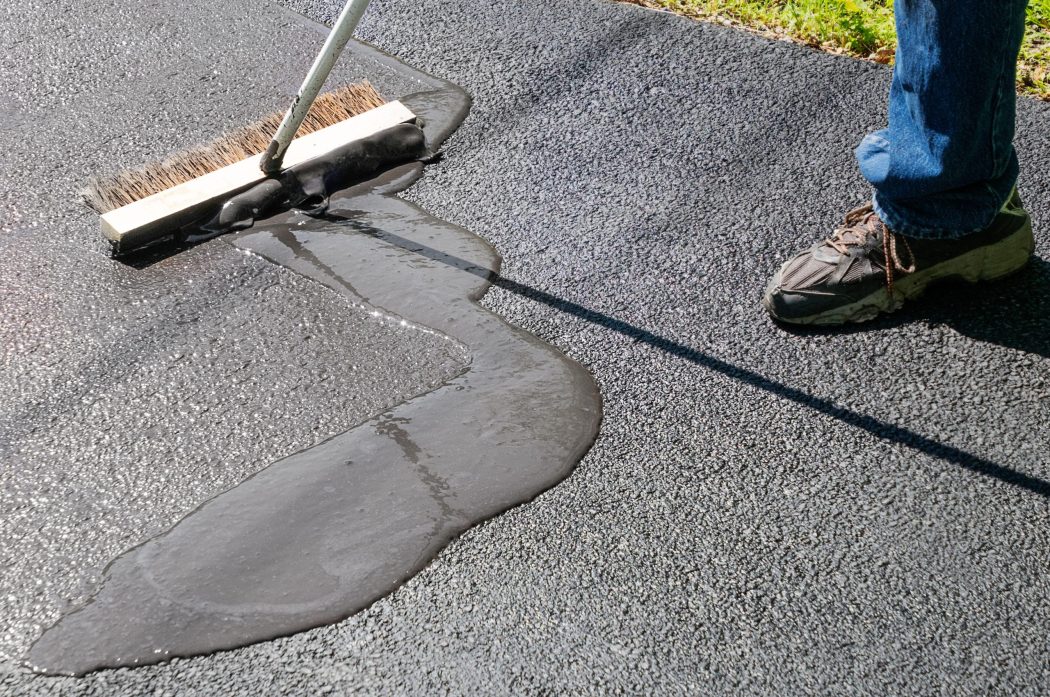
Often, sealcoating is touted as a quick, easy solution to get an asphalt driveway or parking area to look as good as new. However, its true function is more than aesthetics. A good sealcoat will protect asphalt pavement from most types of surface damage from water, sunlight, oxidation, oil, and normal traffic wear and tear.
Of course, that isn’t to say sealcoating is the solution to all pavement problems and that asphalt is the pavement of forever. Knowing what it can and can’t do will help you determine if your pavement really needs it.
The Truth about Sealcoating Asphalt
Asphalt pavement consists of binding oils that act to keep the aggregate together. These components are slowly degraded by exposure to sunlight and weather. The surface can fade out, dry up, and become more susceptible to wear.
Sealcoating provides a layer of protection on top of the pavement. This barrier prevents exposure to UV rays, moisture, and some contamination. It can also darken and even the color of old asphalt.
It is important to remember that sealcoating is not a fix for pavement problems; it’s preventive maintenance.
Any existing cracks, potholes, or drainage problems should be treated prior to sealing.
Water Protection is Important
One of the greatest threats to asphalt is water. Water can penetrate through pavement cracks and weak spots to get to the base. Frequent wet/dry cycles can cause progressive deterioration of the pavement and may lead to cracking, potholes, and surface deterioration.
A good sealcoat will reduce the amount of water that can penetrate the pavement surface. It is not, however, able to span large cracks or address drainage issues.
That’s why preparation is as important as the coating is. Any existing cracks should be cleaned and treated properly prior to sealcoating.
Sealcoating vs. Asphalt Chip Sealing—It’s Not the Same
Sealcoating and chip sealing are sometimes referred to as though they are the same service; however, they are different.
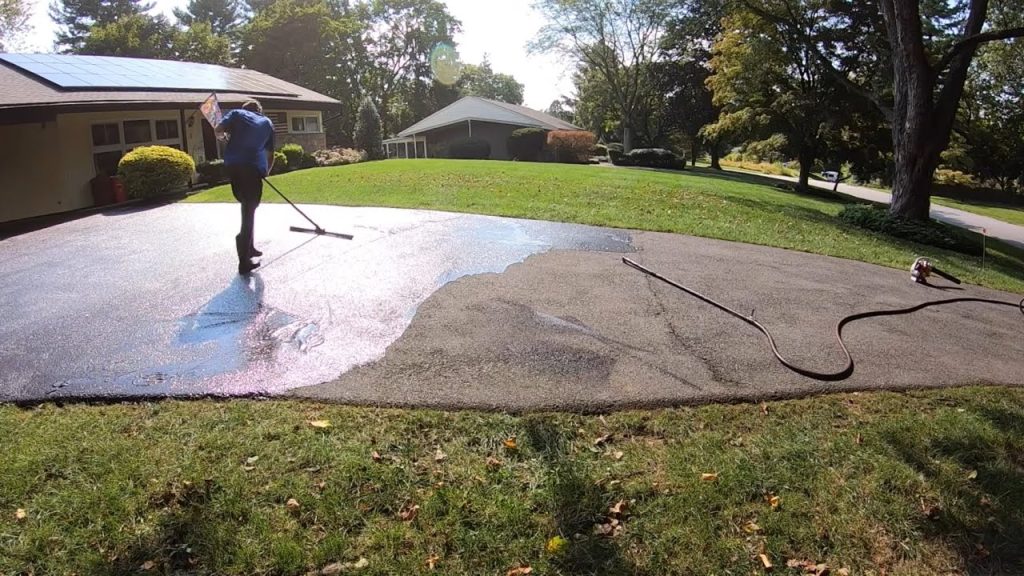
Sealcoating is a process of applying a protective coating to the top of existing asphalt. Typically used for driveways, parking lots, and other paved areas where the structure is still good.
Chip sealing is an application that consists of a liquid asphalt material and aggregate chips. It provides a long-lasting wearing surface and is sometimes a consideration for roads and larger pavement surfaces.
Property owners considering Asphalt Chip Sealing in Longview, TX, need to consider various factors, such as the condition of the pavement, traffic volume, surface requirements, and project objectives. A site evaluation will be more useful than selecting a treatment solely based on appearance.
When Sealcoating Is a Good Choice?
Sealcoating works best on aging but fairly well-maintained asphalt.
Here are some signs that you may need to repair your pavement:
- A gradual change from black to grey
- Minor surface oxidation
- Light surface wear
- Existing small cracks that have been patched
- An overall stable asphalt pavement surface.
- The need to maintain newer pavement before it begins to deteriorate.
Timing also matters. Coating damaged asphalt will not create new pavement on asphalt that is failing.
Issues Sealcoating Cannot Fix
That’s where realistic expectations come into play.
Sealcoating cannot fix deep potholes, major structural cracks, deep base failures, and drainage problems. It should also not be applied to pavement that is in a state of disintegration.
Sealing in serious damage without fixing the problem can simply mask the problem for a time.
Instead, it is best to conduct a pavement survey, identify the pavement defects that need repair, and then decide if pavement sealing is needed.
Benefits Of Residential Seal Coating
Residential Seal Coating can be a viable component of a long-term asphalt maintenance program for homeowners. Vehicle traffic, rain, sun, dirt, and chemicals from vehicles can be a problem for driveways.
A maintained surface will be easier to keep clean and will tend to have a more uniform appearance with age.
It is not just a “black” driveway. The greater benefit is to avoid more costly repair operations after relatively minor deterioration occurs on an otherwise sound asphalt pavement.
Local Asphalt Seal Coating – What to Look For
When it comes to getting the best value for your money for Local Asphalt Seal Coating, it’s not just about the lowest price. Inquire about the process for preparing the pavement, whether cracks will be treated first, the type of coating that will be applied, and whether the weather is appropriate for the coating.
The outcome could be significantly influenced by the way the surface was prepared. The presence of dirt, loose materials, oil contamination, and uncorrected damage to the pavement can cause a barrier to proper bonding.
A reputable contractor will also discuss when sealcoating is inappropriate.
About Jim’s Paving & Chip Sealing
Jim’s Paving & Chip Sealing offers paving and pavement maintenance solutions designed with practical solutions for the property owner. Whether it is asphalt-related maintenance or chip sealing, the idea is to fit the treatment to the condition and traffic demands of the asphalt.
Rather than applying a single treatment to all surfaces, an assessment will determine if sealing, repair, chip sealing, or something else is more appropriate.
Conclusion
Sealcoating asphalt has its uses, but only if it is used for its intended purpose. It aids in providing protection for good pavement from environmental exposure and from day-to-day use and abuse, and also helps to rejuvenate the appearance of the pavement.
The truthful answer is that sealcoating is maintenance, not magic. Taking early action to protect your asphalt can be a wise investment when your asphalt is still in good condition. Repairs should be the priority if it has serious structural damage.
A pavement assessment will help you to determine which treatment will work on your pavement and avoid spending money coating a pavement that will not solve the problem. For sealcoating, contact us today.
Frequently Asked Questions
- Will sealcoating make the asphalt last longer?
Helps protect sound asphalt from sun, water, oxidation, and top surface wear. While sealcoating can help slow down deterioration, sealcoating cannot stop all pavement problems.
- Will sealcoating seal cracks in asphalt?
Any small cracks need to be cleaned and repaired prior to the application of the coating. Sealcoating is not a crack repair substitute.
- Do you sealcoat residential driveways?
Yes, if the driveway is structurally sound. Sealcoating for residential areas can help maintain and improve the look of the surface.
- Is it necessary to sealcoat new asphalt right away?
Typically, new asphalt requires some time to cure before sealing. This timing is dependent on the pavement, materials, weather conditions, and contractor recommendation.
- Does sealcoating work as well as chip sealing?
There is no inherent superiority to either. There are different applications. Sealcoating is a new surface treatment applied to an existing asphalt surface, and chip sealing is a new surface treatment using asphalt and aggregate.