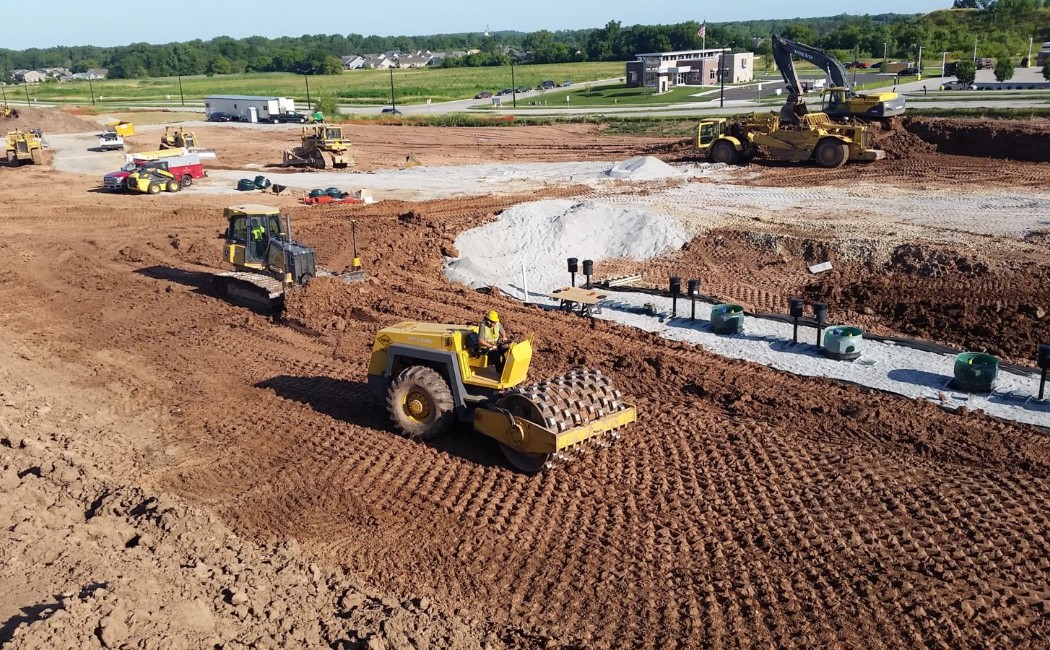
The process of grading the land to prepare for construction, paving, or landscaping is called site grading. Proper Grading Services are vital as they provide the imperative conditions of proper drainage, protection of foundations, prevention of erosion, and smooth surfaces. Paved surfaces and structures can develop cracks or become damaged prematurely, and soil (including unnatural stream banks) can liquefy around the structures if there is no grading.
What Is Site Grading?
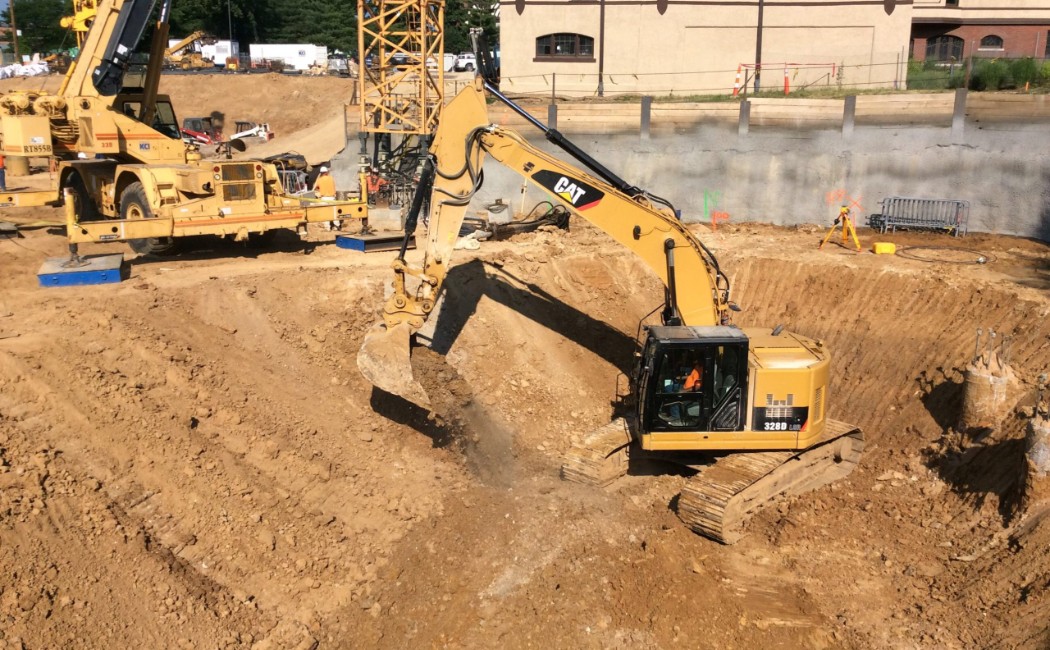
Site grading is the technique of leveling, sloping, or reshaping the land. Contractors can excavate ground, place fill so created, compact, and shape slopes to move water away from structures, paved areas, and buildings. Construction Site Grading provides a firm and stable foundation for homes, driveways, parking areas, and other outdoor areas.
When Grading, don’t make it completely flat! A gentle hillside is sometimes required to channel water to the safety of its drains, all the while providing a level surface for building purposes.
Drainage Benefits
Water will flow downhill. Dirty water can accumulate near the foundation or paving due to improper grading and cause erosion, foundation problems, and paving damage. Proper Grading means directing water to safe drainage areas, causing no standing water, and minimizing maintenance problems.
In areas prone to rain, snow, or seasonal storms, it is especially critical to have good drainage. It doesn’t take a near miss to cause long-term damage to your property.
Foundation Protection
Stable and dry soil is the key to foundations. A pool of water around a foundation may cause cracks and/or swelling of the soil, which in turn can lead to moisture and/or settling of the home. With proper Residential Grading, water will drain away from a building, keeping it on a stable foundation and helping the building last longer.
Though it may sound easy, by investing in professional grading, a person ensures that they will not have to deal with the unfortunate water damage or foundation problem that could occur.
Rough Grading vs Finish Grading
There are usually two ways of Grading:
Rough Grading
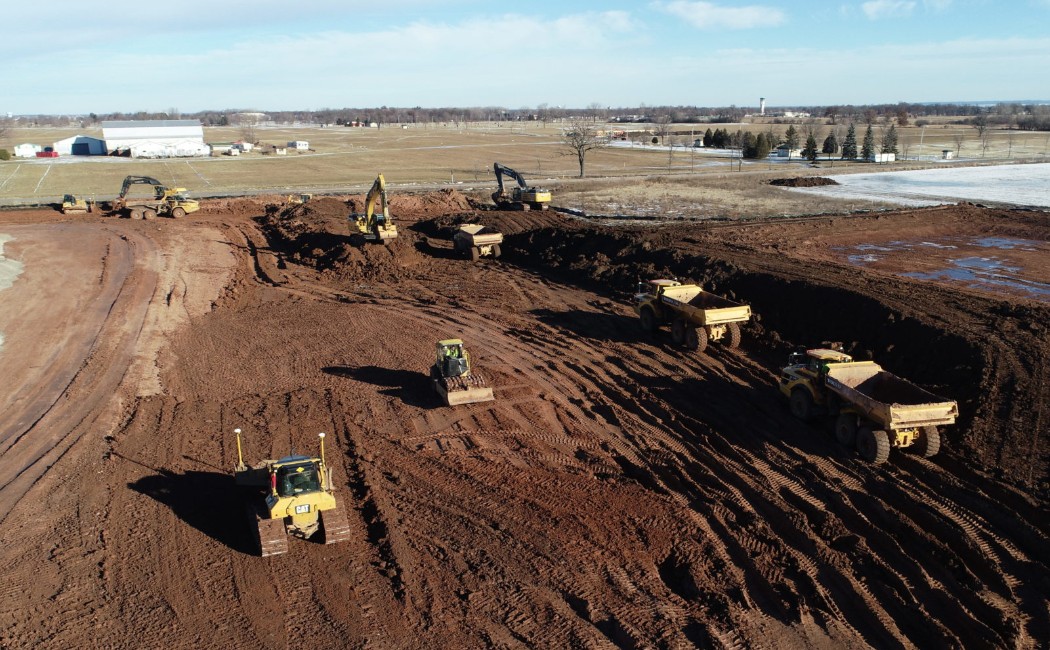
This first process is used to shift significant volumes of material that establishes the overall form and incline of the topography. It figures out the direction that the drains should go and the site for construction, but the surface is not necessarily smooth.
Finish Grading
The final stage is to flatten the surface for paving, sod, landscaping, or fresh concrete. Cleanliness is achieved, and slopes/drainage are correct through Grade Finalization.
Landscape Grading
Landscape Grading enhances lawns, gardens, and outdoor living spaces. Good Grading eliminates areas of low ground, water pooling, and soil erosion. It also enhances the use of outdoor areas and makes them more aesthetically pleasing by creating clean surfaces on patios, walkways, and recreation spaces.
Landscape grading is particularly beneficial if you are installing new sod, correcting drainage issues, or enhancing your yard.
Residential Vs. Commercial Grading
Residential Grading is related to homes, garages, sidewalks, and driveways. It helps stop water from displacing soil against the foundation, caving in driveways, and creates a safe, usable outdoor area. If you see standing water and/or soil that is uneven or issues, it will be worthwhile to investigate and consider grading. Correct Grading is an ongoing solution both in terms of function and looks.
Commercial Grading includes sites that are larger in scale, such as parking lots, warehouses, office buildings, and retail sites. Precise slopes are essential, especially when the land is subjected to heavy vehicle usage, to avoid water pooling and for the durability of the pavement. Professional commercial Grading is designed to ensure the property is safe, maintenance-free, and has a long life. As stated, common grading errors are discussed.
Mistakes in Marking will Lead to Serious Difficulties
- The slope that’s guiding water towards buildings
- Poor soil compaction
- Kangaroo Valley Water will be unable to flow freely.
- Using improper soil materials
These problems may result in erosion, damage from water, soil erosion, and foundation and asphalt or concrete failure.
Why Hire Professional Grading Services
Professional Grading Services come with experience, skill, and tools. Installers have knowledge about the flow of water, the nature of soil, and project specifications, reducing errors. Senior staff deliver quality outcomes from Construction Site Grading to Rough Grading through to Finish Grading, Residential Grading and Commercial Grading, and safeguard your investment.
Why Should You Choose Jim’s Paving & Chip Sealing For Your Project?
Jim’s Paving & Chip Sealing provides a professional and quality chip seal service to residential and commercial customers. They are reliable, offer excellent service regarding asphalt, and are dedicated to customer satisfaction. They perform surface preparation so that they can produce long, durable chip seal pavements, which are able to resist weather and traffic.
Final Thoughts
Sophisticated site grading is a very essential preliminary job in any construction, paving, or landscape job. It provides proper water drainage, protects foundations from damage, guards against erosion, and forms a pleasurable, long-lasting surface. Whether for homes or businesses, Professional Grading Services ensure a firm footing, avoiding expensive fixes and elevating property value. Contact Jim’s Paving & Chip Sealing today to schedule your professional grading services.
FAQs
Why is there a need for site grading?
Site Grading (shaping of ground) should provide good drainage, a stable foundation, and long-lasting surfaces. It eliminates water pooling, soil erosion, and surface issues.
In what ways should pre-construction Grading be done?
The blue line of Grading prevents the formation of an unstable base and allows for the movement of water away from paved land. Inconsistent grading can cause cracks and dips and result in asphalt or concrete being damaged prematurely.
What is the distinction between rough grade and finish grade?
Rough Grading establishes the overall form and level of the land; finish grading levels, smooths, and levels the surface to prepare it for paving, landscaping, or sod installation.
Do both residential and commercial properties need Grading?
Yes, both are in need of grading. Residential landscapes are improved for good drainage and enforcement or protection for the foundation, and commercial landscapes require slopes for safety and durability of the pavement, as well as for traffic flow.