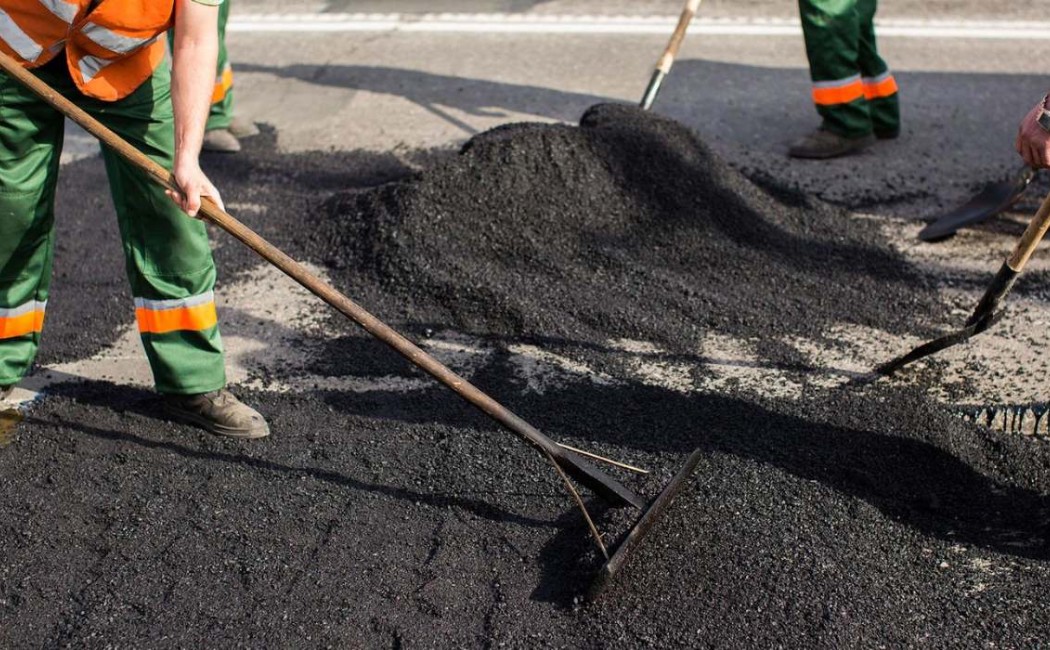
Pavements done in asphalt, whether in driveways, parking lots, or commercial spaces, are always subject to wear and tear. The surface is worn out by sun, rain, snow, and traffic, as well as daily use. With time, well-built asphalt may have cracks, fading, potholes, or uneven areas. It is essential to know when your pavement requires attention and to ensure it lasts and continues to impress.
Replacement or resurfacing will remove the spots, cracks, and crust to rejuvenate the look, feel, and strength of your asphalt and save you money over new asphalt. It is an effective maintenance solution that is cost-effective in situations where no problems are found early.
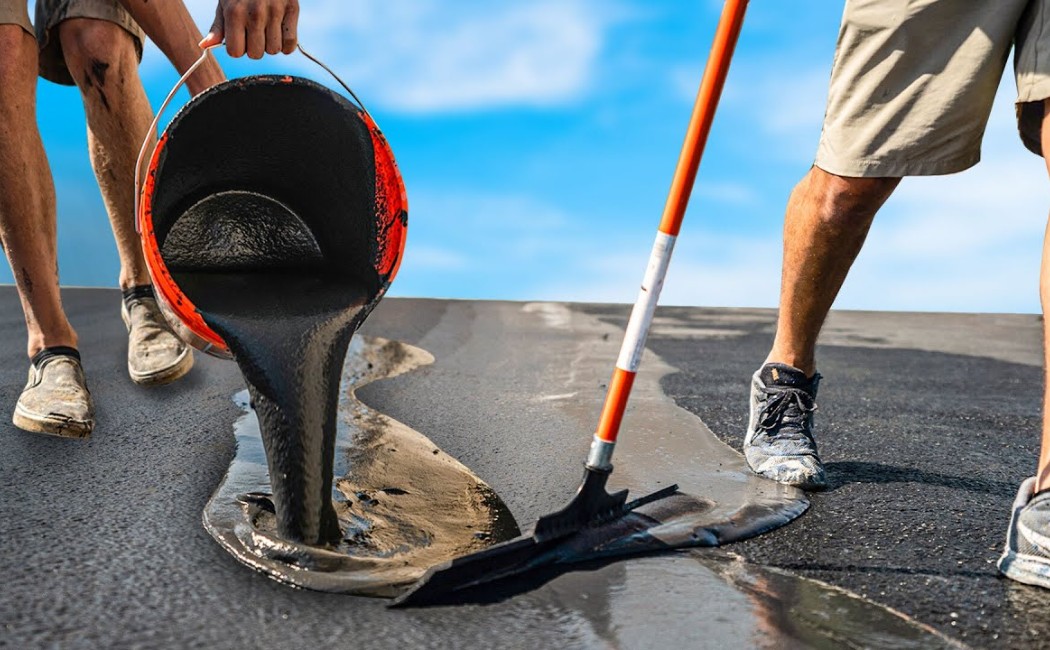
Damage to Common Pavement
Common damage can be identified to ascertain the time when asphalt resurfacing should be done.
Look for:
- Cracks and Fissures: Hair-thin cracks may be extended into bigger structural problems if they remain ignored.
- Potholes: Deep holes reflect that the surface and sub-base layers might be weakened.
- Erosion and Fade: Over time, the asphalt loses its dark color and becomes brittle because of sun exposure.
- Sinking or Uneven Pavement: There can be low or scooped-out areas in the pavement due to high traffic or water erosion.
The Reason Damage is Caused
The damage in asphalt arises as a mixture of various factors such as load on roads, weather, water infiltration, and poor maintenance. The earlier the issues are identified, the more severe issues are avoided, and the longer your pavement can last.
Resurfacing vs Replacement
In the event of damage to your asphalt, you have two alternatives: resurfacing and complete replacement.
- Resurfacing: The asphalt is covered with a new layer to give a smooth and reinforced surface. It is quicker, affordable, and useful when the base is in good shape.
- Replacement: The existing asphalt is ground and replaced totally. This is necessary if the base or pavement is too damaged to repair.
How to Decide
An expert check-up will help in defining whether or not resurfacing is suitable or replacement is needed. Small to medium sanding may be effectively resolved through scraping, whereas deep cracking, sinking, and when the base fails, a total replacement may be needed.
The Advantages of Resurfacing
Replacement has several disadvantages compared to resurfacing:
- Cost-effective: It is less expensive than any alternative to removing and replacing the entire asphalt.
- Fast track: It may sometimes take a day or two, causing minimal disruption.
- Improved appearance: New asphalt covers up a dark black surface with uniformity.
- Long life: Resurfacing will extend your surfacing life on pavements by 8-12 years.
Improved Safety
Flat planes minimize the chances of mixed wear and tear, tripping, and stagnant water, and enhance the outward safety of cars and people.
Cost Considerations
The price depends on the size, the extent of the damage, and the place. The cost of resurfacing can be estimated at 30 – 50 percent less than replacement. Factors influencing costs include materials, labor, accessibility, and drainage issues. This should be done by always asking licensed asphalt contractors to provide quotes so that no one can be misled.
Budgeting Tips
Periodic maintenance lowers the long-term expenses. Small repairs and seal coating may avoid a lot of resurfacing or replacement costs.
Maintenance Tips
To increase the life of your resurfaced asphalt, it should be properly maintained:
- Seal Coating: Seal coating should be applied every few years to prevent damage due to sun, water, and oil.
- Crack Filling: Fill small cracks prior to growth.
- Frequent Cleaning: Clean up trash, leaves, and chemicals, which can stain or erode the surface.
- Draining: There should not be any pool of water on the surface because standing water quickly wears it away.
DIY/ Professional Maintenance
In cases where property owners can carry out minor cleaning and application of crack fillers, the use of professional inspections and seal coating ensures that it is carried out correctly and the results are long-lasting.
Professional Inspection
The best way to determine damage is by hiring an experienced asphalt professional. Asphalt Contractors have the chance to assess surface integrity, condition of the base, drainage, and repair requirements. They are good at their work, so you will be sure you are choosing the correct solution, be it resurfacing, repair, or replacement, and will not spend unnecessary money.
Why Choose Jim’s Paving & Chip Sealing?
Jim’s Paving & Chip Sealing is a leading chip seal and asphalt service company with a high level of service, offering both residential and commercial property services. Their team provides quality results and emphasizes customer satisfaction. Resurfacing, repair, or general asphalt repairs and maintenance: Jim’s Paving & Chip Sealing will make sure that every job has long-lasting coverage, a smooth surface, and durable finishes.
Final Thoughts
It is important to know when your asphalt is in danger of needing resurfacing because it is safer, nicer to look at, and even saves money. Signs of cracks, fading, potholes, and rough surfaces would mean that it is time to act. Resurfacing replenishes strength and beauty without wasting funds like a full replacement. Together with the necessary maintenance and qualified checks, it prolongs the lifetime of your pavement with smooth, safe, and reliable surfaces in the years to come. Ready to restore and protect your pavement? Contact Jim’s Paving & Chip Sealing today for professional asphalt resurfacing solutions and a free consultation.
FAQs
What is the best way to understand whether or not my asphalt needs resurfacing or replacement?
A professional can check the base to identify the state of the surface and see whether it can be resurfaced or should be replaced.
How long does resurfacing last?
With proper maintenance, resurfaced asphalt is expected to last 8-12 years.
Do all cracks get repaired when resurfacing is done?
Resurfacing will enhance the appearance and minor cracks, whereas serious structural damage may need repair or replacement in the first place.
Do we need to seal the coat following resurfacing?
Yes, asphalt seal coating preserves the new layer against weather, traffic, and damage from UV and extends life.