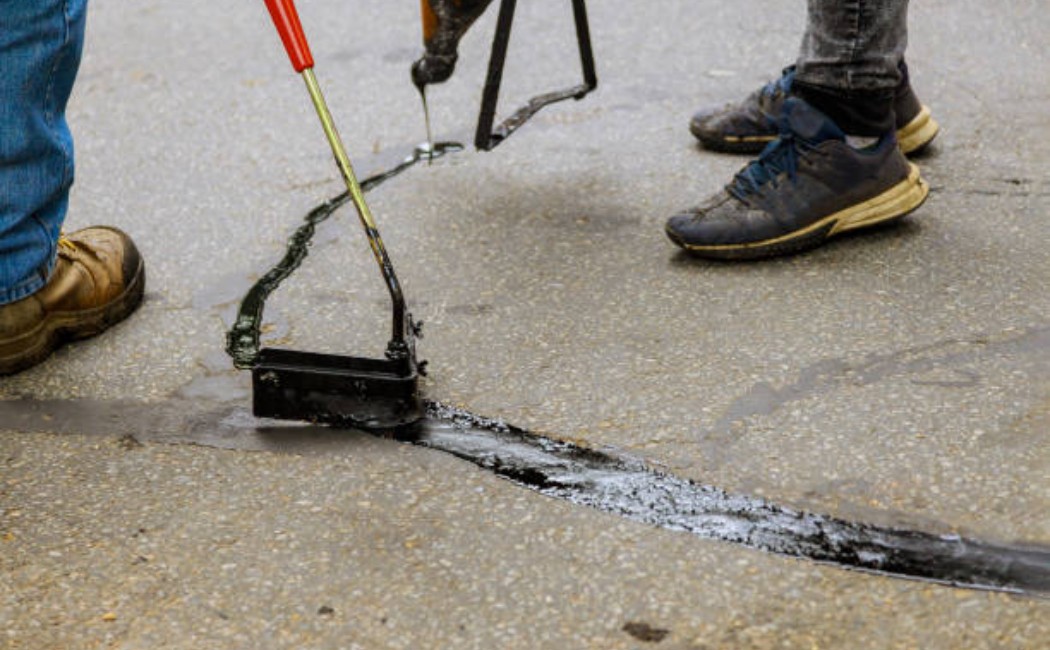
Keeping the asphalt surface well-maintained requires planning, consistency, and the proper protective measures. Seal coating is one of the most effective ways to keep your asphalt surface well-maintained and durable from weather damage, oxidation, oil spills, and daily wear.
However, applying seal coating without a clear maintenance schedule can reduce its effectiveness and lifespan. This guide breaks down the ultimate seal coating maintenance schedule to help property owners avoid costly asphalt repairs, extend pavement life, and maintain long-lasting curb appeal.
How Is Seal Coating Essential For Longevity?
Your driveways, parking lots, and other asphalt surfaces are constantly exposed to UV rays, rain, snow, vehicle fluids, and traffic pressure. Over time, these elements cause asphalt to dry out, crack, and deteriorate. Seal coating adds a protective barrier that slows down this damage.
Proper seal coating care restores flexibility, prevents moisture penetration, and enhances the surface’s appearance. When applied on schedule, it becomes a cost-effective solution for long-lasting pavement care and surface durability.
Understanding The Seal Coating Schedule
Having a proper schedule for seal coating application is essential in itself. A well-timed driveway seal coat schedule depends on asphalt age, traffic volume, and local climate.
New Asphalt Surfaces: Newly installed asphalt should solidify before the first seal coating application.
- You should wait 6 to 12 months after installation.
- Allows natural oils to evaporate and asphalt to harden properly
Applying seal coating too early can trap oils and weaken the surface.
Existing asphalt surfaces: For many residential and commercial properties:
- Seal coating every 2 to 3 years is recommended
- High-traffic areas may require more frequent applications
Following this schedule ensures consistent seal coating maintenance and surface protection.
Year-by-Year Seal Coating Maintenance Timeline
Year 1: Initial Curing and Monitoring
After asphalt installation, focus on observation more rather than sealing.
- Clean the surface regularly
- Monitor for early cracks or drainage issues
- Avoid heavy loads during hot weather
The initial stage prepares the surface for future seal coating best practices.
Year 2: First Seal Coating Application
The 2nd year brings the maintenance cycle, which involves
- Repair cracks and potholes before sealing.
- Clean thoroughly to remove dirt and oil stains
- Apply seal coating during dry, moderate temperatures.
This first application lays the foundation for effective seal coating care.
Years 3–4: Routine Inspection and Light Maintenance
During these years, proactive care is key.
- Inspect for hairline cracks
- Perform crack sealing as needed
- Clean spills promptly
These steps help avoid costly asphalt repairs by addressing minor issues early.
Years 5–6: Reapplication of Seal Coating
By this stage, the protective layer may start wearing down.
- Reapply seal coating if the surface looks faded or rough
- Address any structural damage before sealing
This cycle reinforces the pavement and supports long-lasting pavement care.
Seasonal Seal Coating Considerations
Best Time for Seal Coating
Seal coating should be applied when:
- Temperatures range between 50°F and 90°F
- No rain is expected for at least 24–48 hours
Spring and early fall offer ideal conditions for seal coating.
Winter and Summer Care Tips
- Avoid seal coating during extreme heat or freezing temperatures
- In winter, remove snow using rubber-edged tools
- Prevent standing water to reduce freeze-thaw damage
Seasonal awareness is critical to maintaining effective seal coating maintenance.
Driveway Resurfacing Guidelines vs. Seal Coating
While seal coating protects asphalt, it does not fix severe structural damage. Understanding driveway resurfacing guidelines helps determine when seal coating is no longer enough.
When Seal Coating Is Enough
- Minor surface cracks
- Faded or oxidized asphalt
- No base or drainage failure
When Resurfacing Is Required
- Widespread cracking
- Uneven surfaces
- Deep potholes or base failure
Seal coating works best as a preventive solution rather than a repair method.
Seal Coating Best Practices for Maximum Results
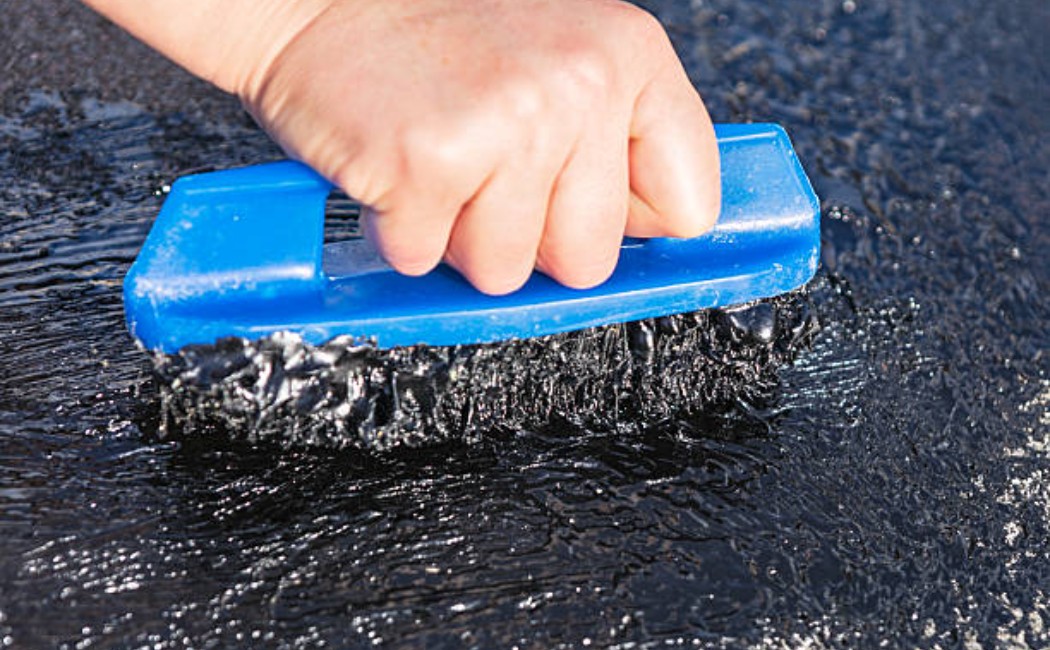
To get the most out of seal coating, follow these proven best practices:
-
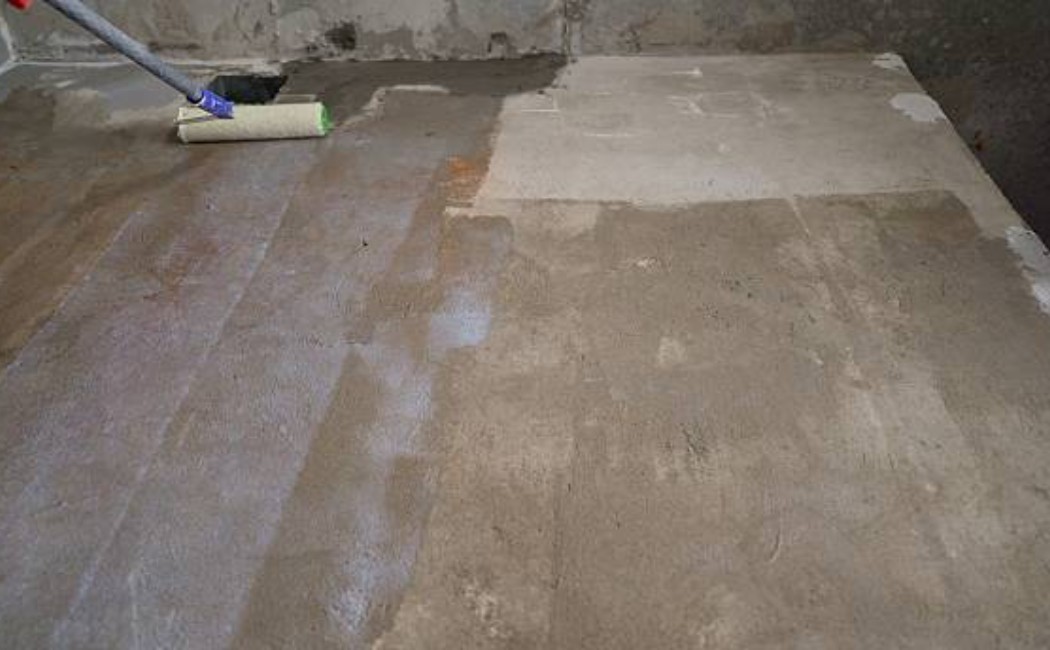
- Always clean and prep the surface before application
- Repair cracks and potholes beforehand
- Use high-quality seal coating materials
- Apply thin, even layers
- Allow proper curing time before traffic use
Adhering to seal coating best practices ensures a smoother finish and longer-lasting protection.
Common Seal Coating Mistakes to Avoid
Skipping steps or cutting corners can reduce the benefits of seal coating.
Avoid these common mistakes:
- Applying seal coating too frequently
- Ignoring necessary repairs before sealing
- Using low-grade materials
- Driving on the surface before it fully cures
Proper planning and execution improve seal coating care and overall performance.
How Seal Coating Helps Avoid Costly Asphalt Repairs
Preventive maintenance is always more affordable than major repairs. Seal coating prevents:
- Water infiltration
- Oxidation and brittleness
- Crack expansion
- Early surface failure
By following a consistent driveway seal coat schedule, property owners significantly reduce repair costs and extend asphalt life.
Long-Term Benefits of a Proper Seal Coating Schedule
A well-maintained seal coating routine delivers long-term advantages:
- Enhanced curb appeal
- Increased pavement lifespan
- Reduced maintenance costs
- Improved safety and traction
With consistent seal coating maintenance, asphalt surfaces remain durable, functional, and visually appealing for years.
Why Choose Jim Paving Seal Coating?
Jim Paving is the best seal coating company delivering professional chip sealing solutions designed to protect, strengthen, and extend the life of asphalt surfaces. With nearly 25 years of experience, our proven chip sealing process creates a durable, skid-resistant layer that protects your pavement from moisture, oxidation, and traffic wear while enhancing appearance. With high-quality materials, skilled crews, and strict quality standards, Jim Paving provides cost-effective surface treatments, ensuring long-lasting performance for residential and commercial properties alike. Contact us today to make your asphalt surfaces last longer.
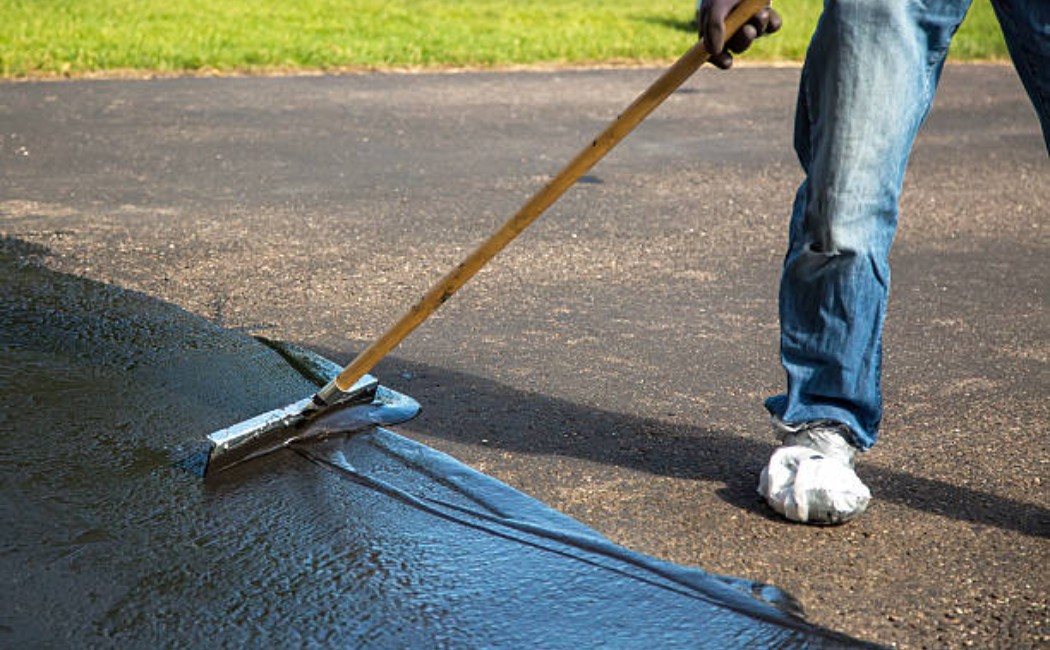
Conclusion
The key to preserving asphalt surfaces lies in consistency and timing. Following the ultimate seal coating maintenance schedule ensures maximum protection, helps avoid costly asphalt repairs, and supports long-lasting pavement care.
By understanding application timelines, seasonal factors, and proper care techniques, property owners can protect their investment and enjoy smooth, resilient pavement for decades. Seal coating isn’t just maintenance; it’s an innovative, proactive strategy for asphalt longevity.
Commonly Asked Questions
How often should seal coating be applied?
Seal coating should typically be applied every 2 to 3 years, depending on traffic, weather conditions, and overall asphalt condition.
When is the best time of year for seal coating?
Spring and early fall are ideal, as moderate temperatures and dry weather allow proper curing and long-lasting results.
Can seal coating fix cracks and potholes?
No, seal coating is preventive. Cracks and potholes must be repaired beforehand for adequate protection and durability.
How long does seal coating take to cure?
Seal coating usually cures within 24 to 48 hours, though light foot traffic may be allowed sooner.
Does seal coating really help avoid costly asphalt repairs?
Yes, seal coating prevents moisture damage, oxidation, and cracking, significantly reducing the need for expensive asphalt repairs.