Most people are concerned about what is visible: construction, smooth roads, strong buildings, and flat, level driveways. However, it is actually what lies beneath that makes any construction, regardless of style, stronger and more durable. Compression is one of the most important actions of grading services.
Even the most well-planned construction project may fail without the proper compaction. There might be cracks, surfaces will sink, and the foundations will weaken with time. That is why professional grading can never be complete without close soil compaction.
We will explain below why compaction is important, its mechanism, and its role in the long-term stability of soils at the construction site.
What Is Soil Compaction in Grading Services?
The act of compacting soil involves pushing soil particles together to eliminate air pockets, thereby increasing its density. Simply, it strengthens the ground and makes it more stable before any construction can begin.
Soil compaction is one of the most important parts of professional grading services, as loose soil cannot support heavy loads such as buildings, roads, or driveways.
Why Loose Soil Is a Risk
Loose soil has pockets of air. These pockets eventually burst out from the weight or water.
This leads to:
- Uneven surfaces
- Foundation cracks
- Water drainage issues
- Costly repairs
This is why proper ground compaction must be done before the next step in construction.
How Heavy Equipment Helps with Soil Compaction
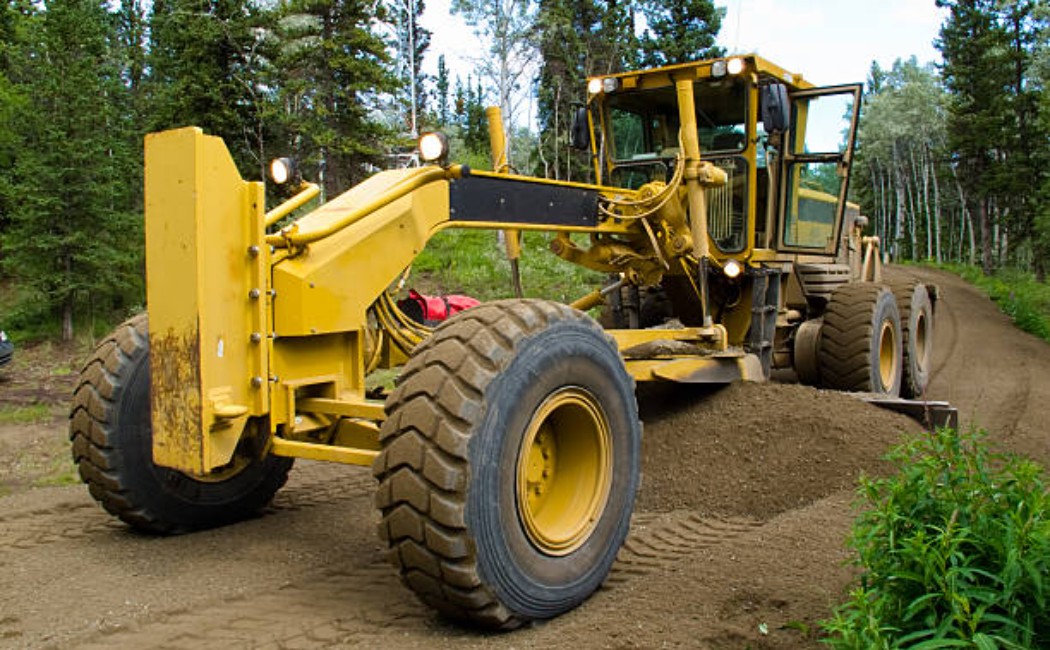
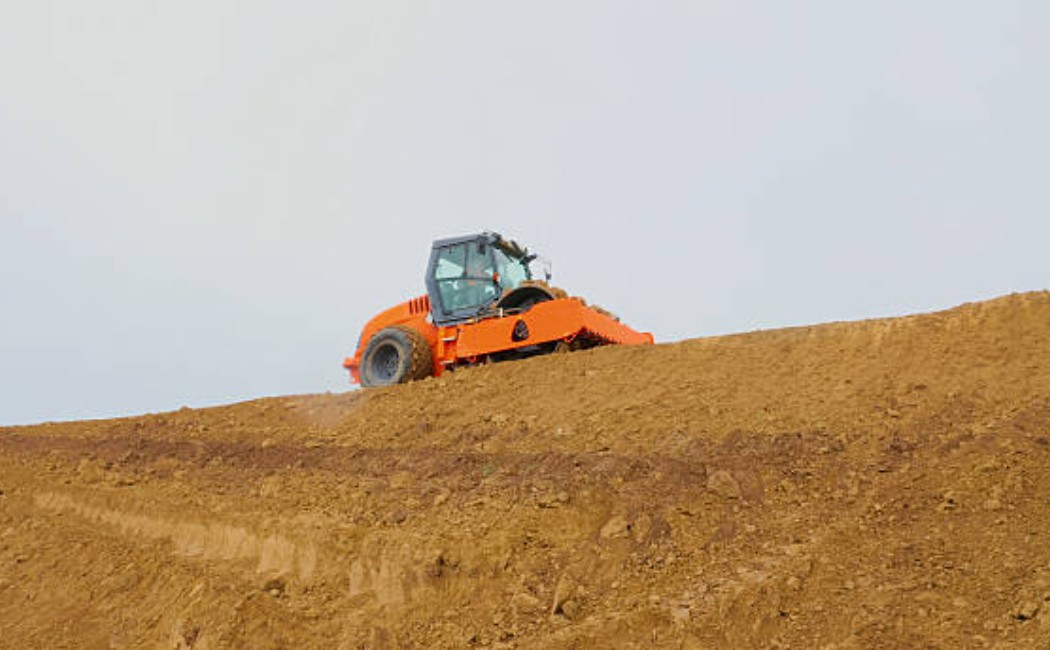
Heavy equipment tools used by professional contractors include rollers, plate compactors, and vibratory machines. These machines press and vibrate soil layers into tight layers.
This helps the soil reach the required density to carry structural loads.
Compaction Testing, Test of Accuracy
Professionals do not randomly decide whether soil is compacted. To verify strength, they use compaction testing technologies, such as density and moisture tests. Testing is conducted to confirm that the ground meets engineering standards, and construction proceeds.
The Proper Ground Compaction and the Construction Grading Services
Compaction is not an option in professional construction grading services; it is a must. It directly influences the duration and safety of a project.
Construction Project Soil Stability
Good soil stability in construction eliminates settling and movement. Stable soil supports the structure, whether it’s a residential driveway or a commercial structure.
Unless soil is compacted properly, even a minor rainstorm can weaken the bottom and lead to erosion.
Foundation Grading Labor and Building Safety
When doing foundation grading jobs, the ground is supposed to be flat and solid.
A weak base can lead to:
- Structural cracks
- Uneven floors
- Water seepage
This is why professional grading services pay close attention to compaction before pouring concrete.
Compaction Road Base to have a long-term surface
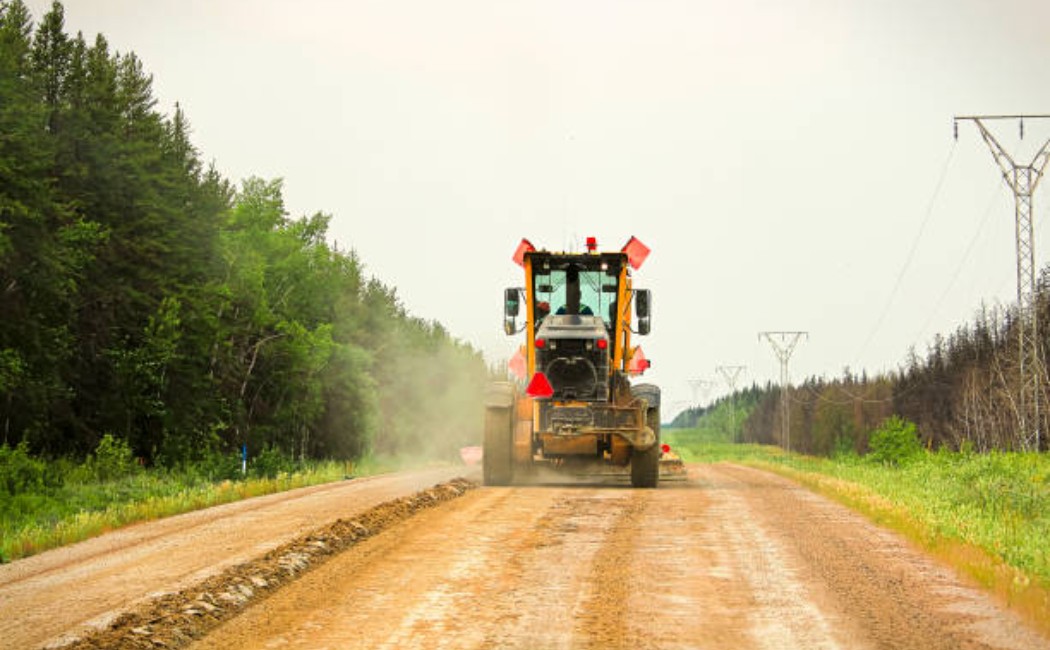
The parking lots and roads rely on powerful road base compacting. In its absence, asphalt and concrete will be crushed by traffic.
A properly compacted base:
- Increases durability
- Reduces maintenance costs
- Enhances carrying capacity.
This is a very important step in residential and commercial projects.
Compaction in Earthwork and Site Preparation Grading
The contractors perform site preparation and grading before construction begins. This consists of clearing, leveling, and compacting the land.
Ground and Excavation of Deep Foundations
Earthwork and grading involve transporting soil to achieve the required slope and heights. It is not sufficient to mould the land. It should be followed by compaction to ensure the new surface. In its absence, the soil that was recently relocated can settle over time.
Soil Compaction Process of Moisture Control
Water contributes to soil compaction. Excessively dry soil cannot be compacted. Excessive soil moisture makes it unstable. Seasoned grading experts manage moisture content to achieve perfect density.
Future Repair Prevention by Proper Compaction of Ground
Long-term savings are among the greatest benefits of proper ground compaction.
It prevents:
- Surface cracking
- Drainage failures
- Premature resurfacing
Concisely, good grading services now avoid costly repairs in the future.
The Difference in Professional Grading Services
Many property owners minimize the value of technical grading. However, professional grading services ensure that all steps are carried out correctly, including leveling and compaction.
1. The Skipping Compaction Risk
Failure to compact may lead to:
- Sinking driveways
- Uneven patios
- Weak retaining walls
These can never present themselves at first, but they occur with time.
2. Advanced Technology and Experienced Workers
Professional contractors employ advanced compactors and experienced operators to understand soil behavior. The experience guarantees good and stable outcomes.
3. Performance and Property Value in the Long Term
Proper grading increases the property’s value. Investors and buyers would love to buy land that is well graded and compacted, as this limits the risks that may arise in the future.
Quality grading services ensure that safety and investment are maintained.
Why Choose Jim’s Paving & Chip Sealing for Grading Services?
When it comes to dependable grading services, Jim’s Paving & Chip Sealing stands out as a trusted and enduring grading company. Our team specializes in perfection grading driveways, foundation preparation, and complete point development.
As one of the region’s leading grading experts, we use advanced heavy-duty construction methods to ensure strong, stable, and long-lasting results. From domestic systems to marketable developments, we deliver professional workmanship, attention to detail, and reliable service.
Conclusion Remarks
Compaction may not be visible after construction, but it plays a critical role in structural stability. But it is one of the greatest forces that contribute to strong and long-lasting structures. Since foundation work can range from foundation grading to road base preparation, all other successful projects depend on compacted soil.
Professional grading services offer technical expertise, high-end equipment, and proper planning to guarantee the highest level of durability. It could be site preparation grading, or complete earthwork, but compaction makes safe construction. Failure to follow this step may lead to severe structural problems. Proper compaction guarantees the strength, stability, and peace of mind in the years to come. Contact Jim’s Paving & Chip Sealing today to schedule your professional grading services and build your project on a strong, stable foundation.
Frequently Asked Questions
What is the relevance of compaction in grading?
Compaction enhances the stability and strength of soil. It helps prevent settling, cracking, and structural damage.
What is the way in which contractors test soil compaction?
The compression testing techniques they employ include density tests and moisture checks to ensure the soil achieves the appropriate strength.
Does the driveway grading need to be compacted?
Yes, driveways must be properly compacted to be level and will last for years.
Is there a problem with the Foundation due to poor compaction?
Absolutely, the weak soil is prone to movement, causing cracks and irregular structures.
How often should grading and compaction be inspected?
Before a major construction project is undertaken, it should be inspected, and whenever land is reshaped or developed.