When maintaining your asphalt surface, most property owners are confused by the choice between a sealant coating and crack filling. On the surface, both are similar. Both are involved in pavement maintenance, after all, and both help extend the lifespan of asphalt. However, in reality, they are used for entirely different purposes.
When you own a business, a parking lot, or even a home driveway, such differences can save you thousands of dollars in long-term repair of asphalt pavements. That is why most industry commercial seal-coating experts suggest knowing when to apply this or that method rather than guessing.
In this guide, we will explain everything in plain language so you can make the right choice.
Seal Coating vs Crack Filling: The Core Differences
Now we will contrast the two asphalt maintenance methods.
1. Purpose and Function
- The surface is sealed to preserve it.
- Damage is repaired with crack filling.
Pavement preservation is seal coating, whereas the corrective repair of asphalt cracks is called crack filling.
2. Coverage Area
- Seal coating is applied to the entire pavement.
- Crack-filling services address isolated cracks.
3. Cost and Timing
- Seal coating is traditionally carried out at regular intervals of a few years as a routine maintenance procedure of asphalt.
- Whenever cracks are found, crack filling is carried out.
They are both affordable to repair or resurface the full asphalt pavement.
Why is it the Best Strategy to combine both
Most property holders believe that they have to make a decision. The fact is, though, the most efficient pavement maintenance plan is a combination of the two.
Before Seal Coating Crack Filling
Cracks should always be filled first before the seal is applied to the building.
This ensures:
- No moisture is trapped
- The seal coat bonds properly
- Longer-lasting results
Long-term Asphalt Maintenance procedures
A smart strategy includes:
- Regular inspections
- Early asphalt crack repair
- Planned asphalt seal coating.
- Continuous preventive maintenance of pavements.
This will save the company a lot of money by avoiding significant repair expenses in the long term.
What is Asphalt Seal Coating?
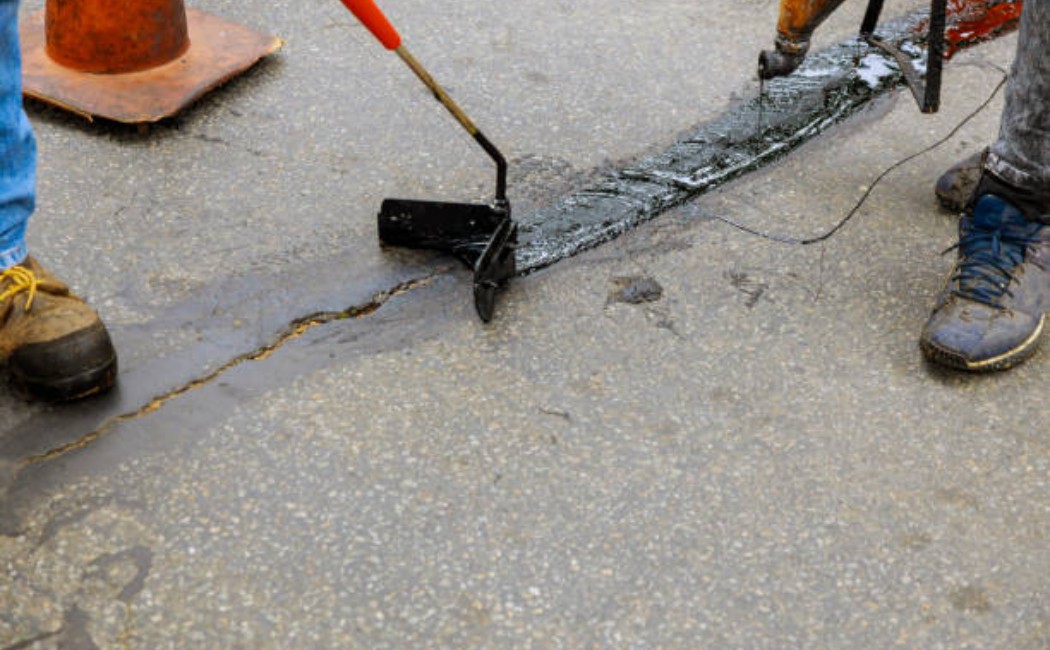
Seal coating is applied to the surface of asphalt. Consider it as sunscreen for your pavement. It shields against sunlight, water, oil spills, and adverse weather.
Asphalt seal coating is an important aspect of preventive pavement maintenance undertaken by many commercial seal coating experts, as it protects the surface before it suffers severe damage.
The Effect of Asphalt Seal Coating
Over time, asphalt decays due to UV radiation and weathering. This brings about fading, brittleness, and surface damage. The creation of a protective coating on the surface prevents this process in asphalt seal coating. It does not repair deep cracks and structural damage. Instead, it keeps the surface layer in a state of less wear and tear.
Seal Coating Benefits
Powerful seal coating has numerous advantages, such as:
- Shields against UV rays and oxidation.
- Prevents water penetration
- Enhances looks (dark black finish)
- Extends pavement life
- Lowers the cost of repairing in the long run.
In business property, this clean, fresh appearance also enhances curb appeal and customer perception.
Who Should You Decide to Use Driveway Seal Coating?
Sealing of driveways or parking lots is recommended when:
- The surface is also structurally sound.
- The cracks are not large and are already repaired.
- You prefer long-term coverage.
- You desire to increase the value of the property.
Depending on traffic and weather conditions, professional commercial seal coating experts typically recommend resealing every 2-3 years.
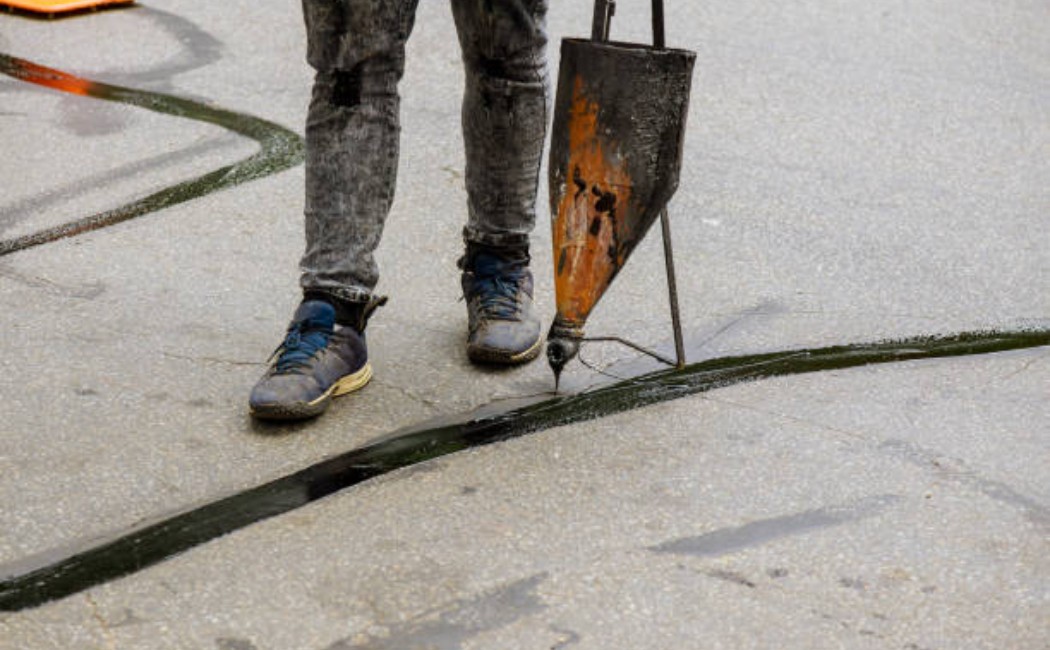
What Are Crack Filling Services?
Crack filling is a service that seals obvious cracks in asphalt before they develop into larger issues. The technique directly treats damage rather than seal coating.
The cracks can appear small at first, but water can seep in, weakening the foundation. It is then that one needs serious asphalt pavement repair.
The Process of Asphalt Crack Repair
When asphalt crack repair is being done, the professionals remove debris from cracks and fill them with a waterproof crack filler. This seals the cracks and prevents water from entering. The process is targeted. It does not cover the whole surface, but rather focuses on particular problem areas.
Crack Filling Benefits
It is important to understand the following benefits of using crack filling by the property owners:
- Prevents the failure of the bottom due to water.
- Stops the expansion of cracks.
- Reduces pothole formation
- Saves money on major repairs
- Enhances integrity.
The best seal coating would not last long without crack filling.
In What Cases Do We Need Crack Filling?
The crack filling should be considered when:
- Cracks are wider than 1/8 inch
- Water is interfering with the pavement.
- Small cracks are spreading.
- You wish to put off complete resurfacing.
Most commercial seal coating experts recommend filling cracks before coating with any seal coat to ensure maximum protection.
What Makes Jim Paving And Chip Sealing the Right Choice?
At Jim Paving and Chip Sealing, our team is professional and dedicated to providing high-quality asphalt seal coating to various business entities regardless of size. We offer a service of high-quality seal coating that will ensure your pavement is not damaged by UV radiation, water infiltration, and traffic wear. We are a reputable local seal coating company and have knowledge of weather-related issues in the area; thus, we customize each project to have maximum durability. We are committed to being precise, using the best materials, and ensuring customer satisfaction, thus making your parking lots and driveways remain solid, smooth, and professional to look at for years to come.
Final Thoughts
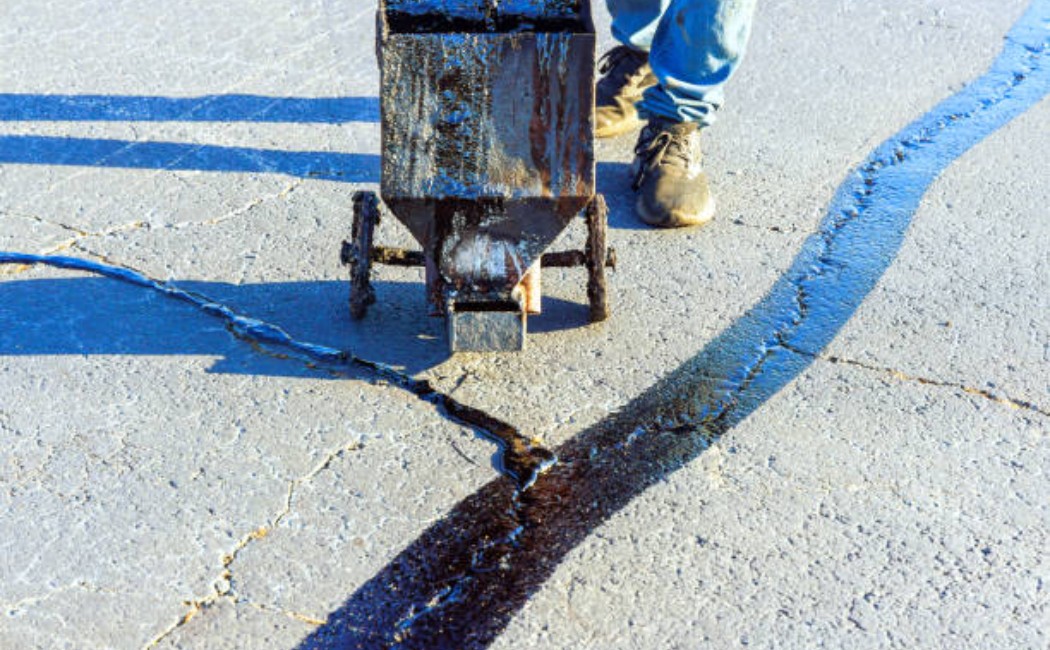
Seal coating and crack fillings are not competitors. They are joint investors in safeguarding your asphalt investment. The most intelligent solution to this would be to combine both asphalt maintenance solutions to attain the advantages of durability, lowered repair bills, and improved appearance. Your pavement will be solid, smooth, and professional-looking for years with the assistance of commercial seal coating professionals in the market.
Ignoring first cracks or delaying the use of asphalt seal coats can lead to structural damage that is expensive to repair. The owners of intellectual property are proactive and pay attention to the preventive maintenance of pavement. Call us now and arrange a professional asphalt inspection and get a personalised maintenance plan for your property.
Frequently Asked Questions
Do seal and crack filling constitute similar activities?
No, seal coating covers the whole surface, and the cracks are repaired with crack-filling services.
Is it possible to seal the coat over cracks?
Small cracks can be covered, but larger cracks need to be repaired initially with proper asphalt crack repair.
What is the frequency of sealing asphalt?
The majority of commercial seal coating experts suggest it be done every 23 years, depending on traffic and climate.
Is seal coating more important than crack filling?
Both are important. The structure is protected by crack filling, and the surface is protected by seal coating.
Does seal coating repair potholes?
No, potholes need higher-quality asphalt pavement repair before they can be sealed.