
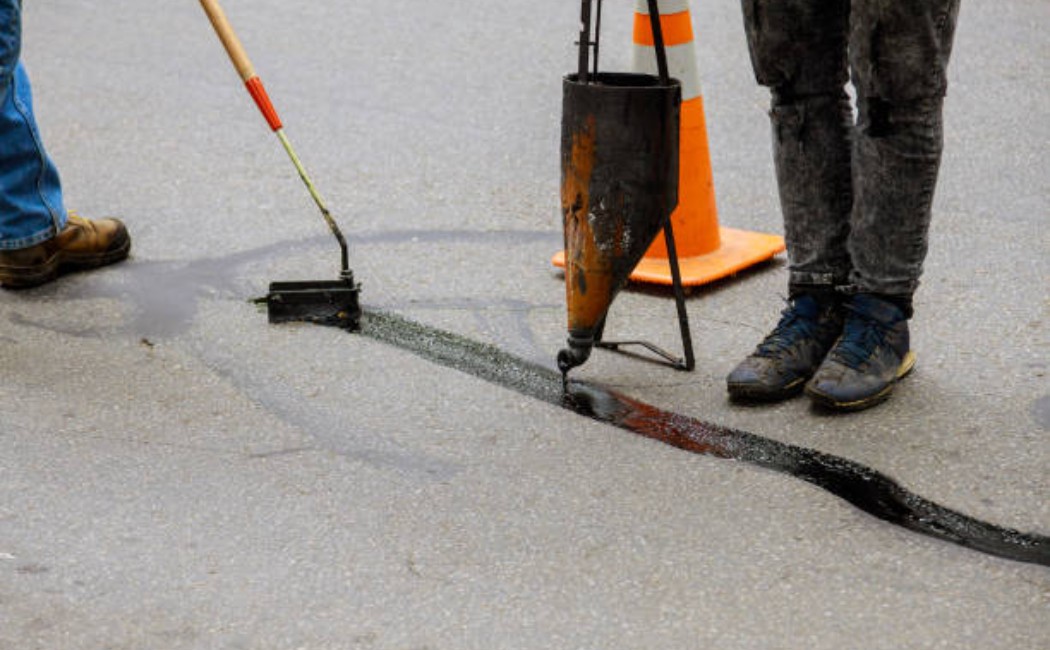
Tar and Chip Sealing provides a long-lasting paving option at an affordable price. It combines liquid asphalt and a stone mixture to form a surface that blends with its natural surroundings. This option provides a good surface for residential and commercial use. The appearance and durability of a pavement surface depend on the ASTM mixture.
The right aggregate selection can improve the appearance, use, and traction, water drainage, durability, and overall performance of the surface. This pavement construction guide will explain how to choose high-quality materials, the various types of chip seal mixture, and how to ensure the durability of your construction project.
Understanding Tar and Chip Driveway Materials
Before selecting aggregate, it’s important to understand how pavement sealing works. This process involves applying a layer of hot liquid asphalt and adding stone chips. After the stone chips are added, large rollers are used to compact the chips into a strong binding surface.
Function of Crushed Stone for Tar and Chip
Crushed stone for tar and chip has both structural and functional roles. Gravel has angular edges, meaning they bind and interact better with the asphalt layer, slide less, and provide stability over time. While rounded stones may be attractive as a finish, they typically don’t provide the same friction.
These are the reasons why industry standards recommend using an angular, clean, and dust-free mixture, as they will make a noticeable difference in the overall bond and performance of the mix.
Need for Tar and Chip Surface Materials
Materials for tar-and-chip surfaces need to be tough enough to withstand traffic wear and tear and to remain regularly textured. Using the wrong material can lead to premature wear, stone loss, and uneven surfaces. Selecting the right mixture for the chip seal ensures a better load distribution and a longer-lasting surface.
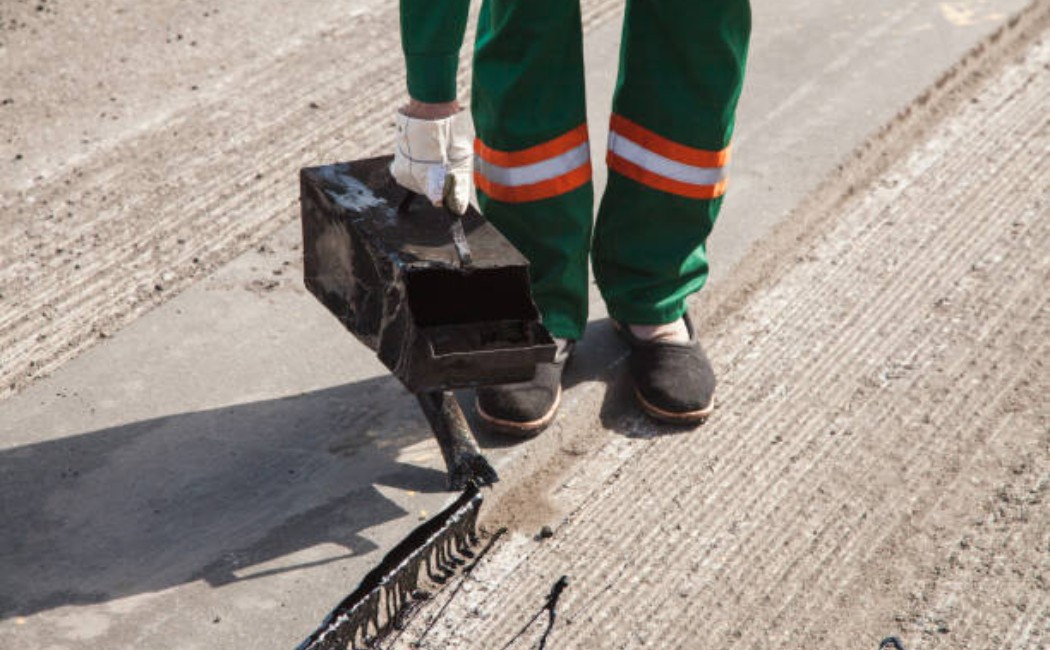
Tar and Chip Stone Size – Why It Matters
Choosing the right stone size for pavement is crucial, as it affects traction, appearance, and surface smoothness.
Aggregate of Chip Seal Driveway Small v/s Large
In residential driveways where a better look and a more comfortable experience are desired, smaller chip-seal driveway aggregates are recommended, as they lead to a more polished, smoother finish.
As for bigger rocks, they offer:
- More grip
- Last longer
- Better for big trucks
For busy roads, larger and more robust tar-and-chip stone options are recommended.
Stone Size and Traffic Volume
Driveways for light use, especially at homes, work well with small stones, while commercial spaces and farm driveways need bigger, tougher stones. It is a great idea to look for the right-sized stones.
Types of Aggregates and Their Benefits
There are several chip seal aggregates, which offer different benefits depending on use and climate.
Granite and Limestone
Among the most durable and strong are granites. They do not weather well and do not last long. This makes granite one of the top aggregates for tar-and-chip projects that need weather-resistant, long-term strength.
Limestones look cleaner as they are brighter, and are chosen more for decorative residential uses, as they are softer than granite.
Cleaned and Washed Mixture
For a tar-and-chip seal to bond, the mixture should be dust-free. Lower-quality tar-and-chip stones will be loose and chip more, while higher-quality stones will have fewer loose chips and bond better over time.
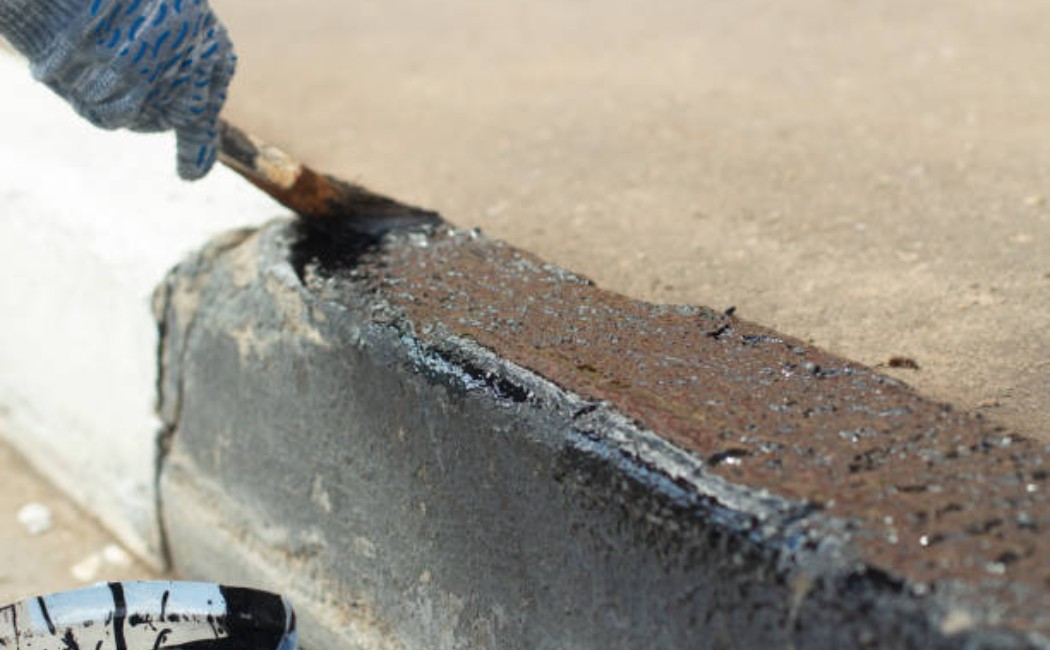
Aggregate Selection for Chip Seal – Key Factors
Selecting aggregates is more than just choosing a stone. Several practical considerations must be made.
1. Weather and Climatic Conditions
For hot climates, aggregates that expand and soften at high temperatures are a concern. In cold climates, resistance to freezing and thawing cycles is critical. Tar-and-chip aggregates must be suited to local environmental conditions.
2. Surface Drainage and Stability
With proper selection, chip seal blends enhance surface drainage and minimize surface pooling. The right stone-asphalt combination provides a surface that is sealed and locked, yet allows some water movement when the water is slightly sealed.
3. Personal Preferences
The selection of crushed stone for pavement also has visual considerations. Natural tones can easily integrate with the landscaping and architecture. The right selection of mixture can coordinate with landscaping and quality architecture, enhancing aesthetic quality and curb appeal.
Common Mistakes to Avoid in Tar And Chip Sealing
Even strong materials can fail if selected poorly.
Avoid the following mistakes:
- Selecting stone types that are round and therefore non-frictional.
- Not considering the proper tar-and-chip stone size in relation to the expected traffic load.
- Using a dirty mixture (i.e., containing dust or other unnecessary materials).
- Not considering climatic conditions.
Specialists must assess every pavement sealing project, and the selection of materials must be carefully considered.
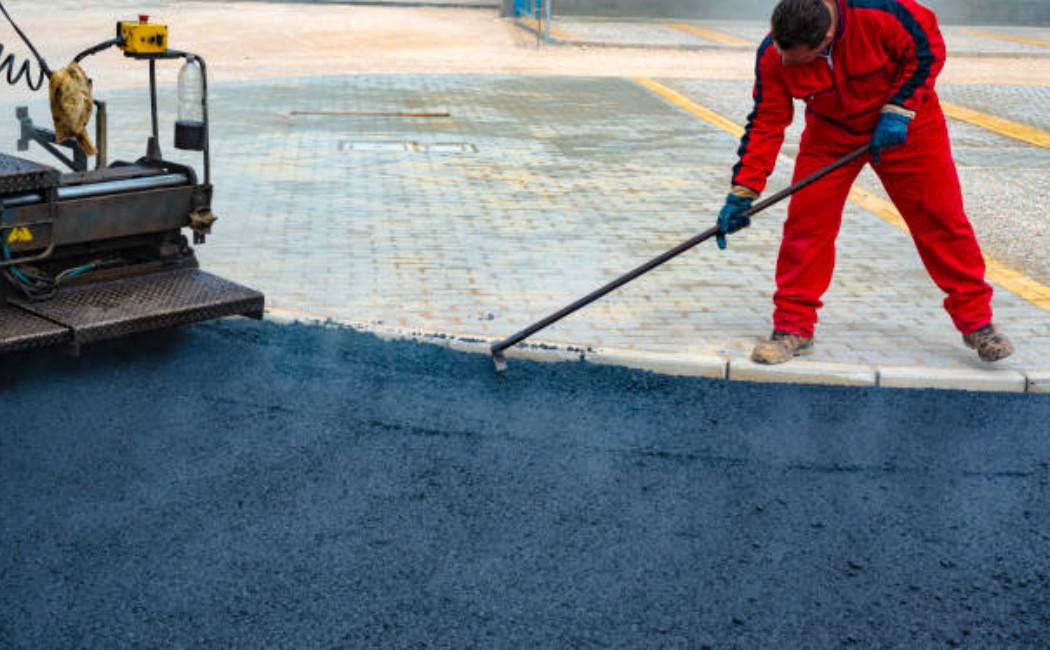
Experience the Difference with Jim’s Professional Chip Sealing
At Jim’s Paving & Chip Sealing, we provide tar and chip sealing solutions with both reliability and longevity, based on our experience and quality workmanship. As part of our experience, we hand-pick the best mixture for our pavement projects, thereby using the appropriate size of pavement stone for strength and durability. For residential and commercial tar and chip seal projects, we utilize the best chip seal driveway blends and best practice installation procedures for strong and aesthetically pleasing surfaces. With straightforward pricing, experienced teams, and a focus on quality, we deliver the best pavement sealing services for your peace of mind.
Final Thoughts
For your tar-and-chip surfaces to last, you need the right mixture selection and professional installation. The combination of stone type, size, and cleanliness can provide safety, traction, and aesthetic value. Professional installers ensure surfaces are even and smoothly bonded. Quality materials and workmanship will enable your driveway or commercial pavement to take on traffic and the weather. You’ll get a strong, appealing, and low-maintenance surface for years. To get pavement that is durable, stylish, and hassle-free, schedule your tar-and-chip installation today.
FAQs:
Which aggregate is best for tar-and-chip driveways?
The best mixture is usually granite because it is clean and angular, leading to good bonding and durability, as well as good traction, which is best for driveways.
What tar-and-chip stone sizes should I choose?
The size of the stone depends on the amount of traffic the area’s going to get. Small chips are better for residential driveways, while large chips are better for high-traffic areas.
How long will pavement sealing last?
If the chips are installed with the right mixture and properly, they should last 7 to 10 years.
Are tar and chips good for commercial places?
Yes, it is good for commercial places, as long as the installation is done properly and with the right materials for chip seals, it will do well.