Asphalt vs. Chip Seal depends on traffic loads, budget, aesthetics, and the property’s maintenance requirements. While both types of paving have benefits, they also differ in installation, ride quality, repair needs, and overall performance.
Having this information helps business owners to make informed choices about parking lots, access roads, private driveways, or other paved surfaces. This guide will help you understand the difference between asphalt vs. chip seal so you can decide which option is best for your commercial property.
Asphalt vs. Chip Seal – What’s the Difference?
Asphalt paving is a mix of aggregates and asphalt binder that forms a smooth, compact surface. It is ideal for commercial parking lots, driveways, access roads, and any place that requires a consistent grip and appearance for vehicles.
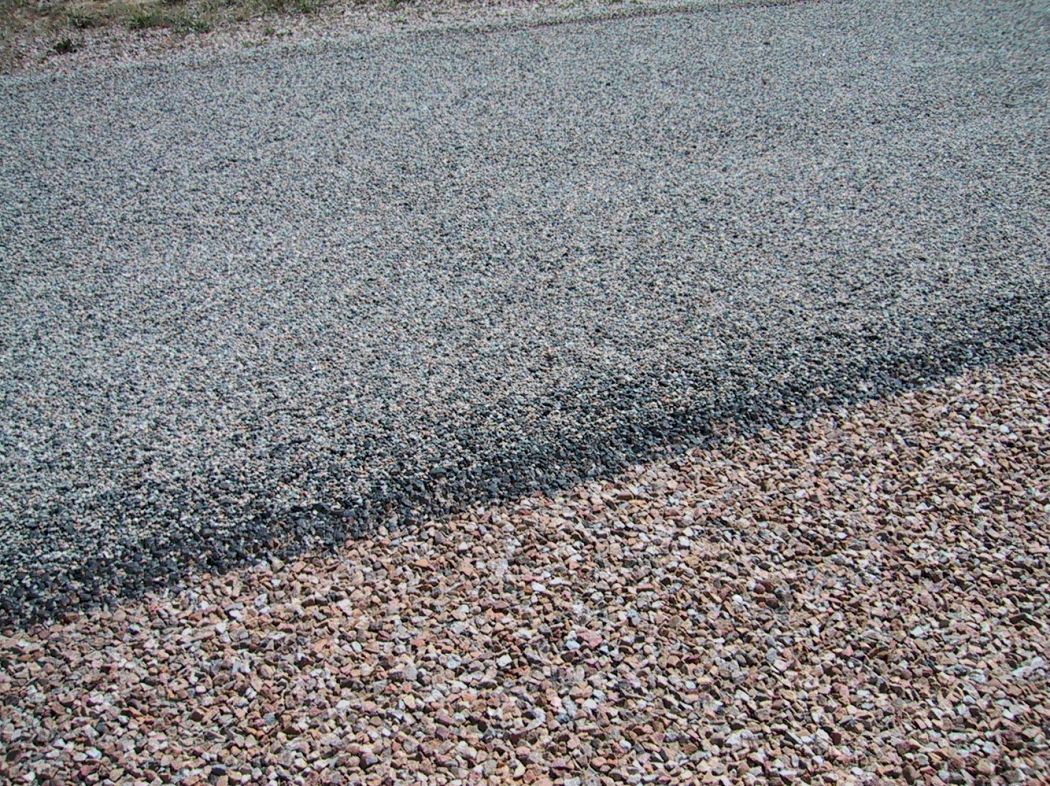
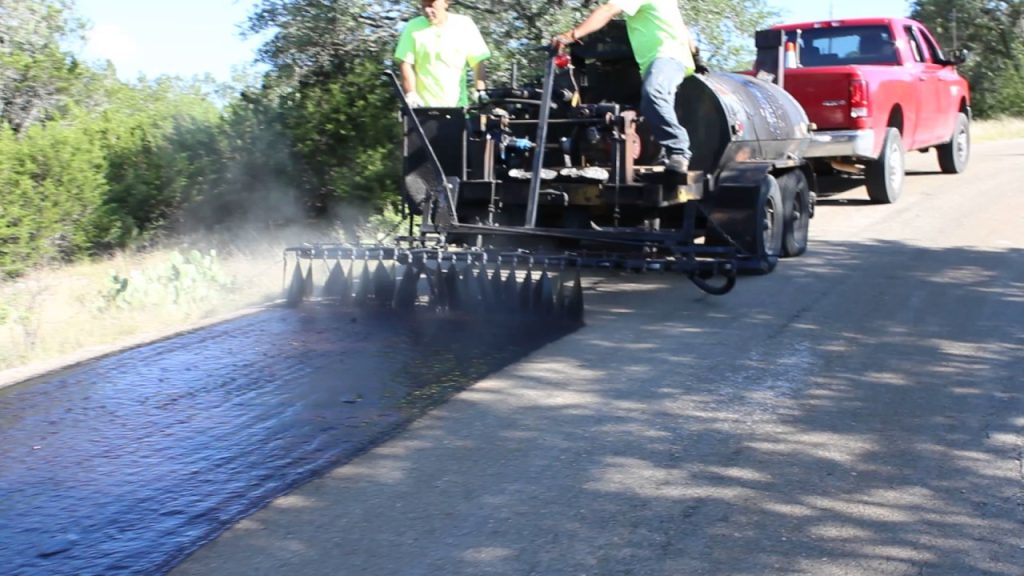
The chip seal process consists of spraying a layer of liquid asphalt binder onto the surface and then adding crushed stone. The aggregate is then pressed into the binder to form a protective textured surface.
The primary difference is how each surface is constructed. Asphalt provides a fairly smooth surface, while chip seal provides a stone surface. Both can be used on commercial applications, but there is a question of suitability based on traffic requirements, drainage, existing pavement conditions, and maintenance requirements.
Asphalt vs. Chip Seal: What is best for Commercial Properties?
1. Installation Costs and Budget
For some long driveways, private access roads, and large areas of paved surfaces, chip seal may be more cost-effective than new asphalt paving. The overall installation costs of asphalt are typically higher, as it involves several stages. Comparing the cost is not just a question of initial cost: take into account the work for the surface preparation, drainage, traffic, and future maintenance.
2. Durability & Traffic performance
Asphalt is a good solution for commercial parking lots as well as loading areas and often-used driveways. If installed on an adequate foundation and properly maintained, it can resist normal traffic from vehicles and offer a stable driving surface.
Chip seal is suitable for lower speed access roads, private commercial driveways, and other situations where a textured surface is desired. Performance is influenced by pavement condition, the quality of aggregate, binder application, and the installation process.
The pavement structure is more important for heavy trucks, frequent turning movements, or concentrated loads on pavements. A paving contractor will be able to assess the area and suggest the ideal solution.
3. Appearance and Surface Texture
Commercial properties may be given a neat and finished look with a smooth dark asphalt surface. It also serves as an appropriate base for parking space markings, arrows, and other traffic markings.
Chip seal will have a more natural/textured look, as the crushed stone will still be visible on the surface. It could be appropriate for rural commercial sites, private roads, or for businesses where a uniform, clean appearance is not the main concern.
If your business is open to customers during the day, think about how the surface will impact your business impression, parking system, and accessibility.
4. Maintenance and Repair Requirements.
Both types of paving require maintenance to keep them in good working order. Water, temperature fluctuations, and traffic can all cause asphalt to crack, pothole, and deteriorate. When problems are minor, prompt repair work can prevent them from spreading.
Chip seal can also wear out over the years. Worn surface areas, loose aggregate, and damage to the underlying pavement can be issues that need attention. The frequency of maintenance should be determined by the traffic loads, weather exposure, and quality of installation.
An Asphalt Specialist can help you understand why pavement is failing and if it makes sense to try and fix it, resurface it, or build a new surface treatment.
When is the best time for Asphalt Paving?
An asphalt surface is usually more suitable for a commercial parking lot that is subject to daily vehicle traffic and requires a uniform, even surface. It may be especially appropriate for:
- Retail/office parking areas with a need for parking lot signage.
- Commercial entries where appearance is important.
- Driveways with heavy traffic and constant vehicle movement.
- Areas requiring a fairly level surface for regular use.
- Sites where relatively simple pavement patching and resurfacing operations are required.
Evaluate base, drainage, and existing pavement before installation of asphalt. Unstable ground or poor water management may not be addressed by a new surface.
When is Chip Seal the right option?
When surface protection and cost management are the concerns, chip seal can be the right solution. It is often used for private roads, long driveways, and access routes where the speed is not too high.
A Chip And Seal Driveway may be a viable alternative when the existing surface is structurally sound and suitable for treatment. But chip seal isn’t for all the applications where asphalt is used. Heavy pavement failures may need to be more significant before a new surface can be placed on the pavement.
Loose-stone issues should also be a factor for a contractor in the vicinity of entries, pedestrian pathways, drainage structures, and locations where vehicles often turn. These facts may be important to consider when determining if chip seal is right for you.
Does Chip Seal Repair Damaged Asphalt?
When existing asphalt exhibits weathering or minor surface deterioration, but is structurally sound, Chip Seal Asphalt Repair may be available to restore surface protection. The treatment involves adding binder and aggregate to provide protection and enhance texture.
By itself, however, chip seal will not eliminate deep potholes, major cracks, weak pavement foundations, or major drainage issues. Once those issues have been addressed, then it’s time to apply a new surface treatment.
When the damage is more significant, it is helpful to do a comparison with Best Asphalt Paving Repair Services to see which makes the most sense: patching, resurfacing, or reconstruction. Spending money on a surface treatment that can’t correct the problem can be avoided with proper site assessment.
About Jim’s Paving & Chip Sealing
Jim’s Paving & Chip Sealing offers paving and chip sealing services for property owners who want effective solutions to help maintain and enhance paved surfaces. The decision on which type of road to use, Asphalt vs. chip seal, begins with how the property is and how it is used, as well as maintenance priorities.
If you want to pave a new driveway, fix up an existing driveway, or look at surface treating, Jim’s Paving & Chip Sealing can discuss the options available to you. Talk over the needs of your property with the team to decide which one suits you to your goals, site conditions and budget.
Conclusion
The decision between asphalt and chip seal for a commercial property will ultimately boil down to your traffic needs, budget, and aesthetic preferences, as well as the condition of your existing pavement. For high-traffic parking lots and for areas requiring a smooth surface, asphalt may be the right choice, and for the right driveways and access roads, chip seal may be the right surface solution for a cost-conscious application.
Before deciding, make sure to assess the condition of the pavement and the amount of work required to prepare it. Jim’s Paving & Chip Sealing can help you compare the available options and choose a solution that supports your property’s long-term needs.
Frequently Asked Questions
- What are the benefits of asphalt compared to chip seal for commercial parking areas?
For commercial parking lots, asphalt will provide a smoother surface for cars, people, and pavement markings, making it a great choice for high-traffic areas. Ultimately, it will depend on the amount of traffic and site conditions.
- Does a Chip Seal cost less than Asphalt?
Many times, Chip seal is less expensive than new asphalt paving. The actual costs will vary depending on the surface area, preparation needs, materials to be used, and the condition of the existing pavement.
- What is the lifespan of chip seal?
The life expectancy of a chip seal is dependent on the quality of construction, traffic levels, climate, and maintenance. A paving company will be able to look at the area and tell you a more realistic estimate for your property.
- Is it possible to lay chip seal over existing asphalt?
In some cases, yes, a chip seal can be placed on an existing asphalt pavement as long as it is structurally sound and prepared properly. Major cracks, potholes, and drainage problems may require a repair before they can be given a seal coat.
- Which type of paving has the lowest level of maintenance?
Neither alternative is maintenance-free. Crack sealing and pothole repair might be necessary for asphalt, and loose aggregate and surface wear might need attention for chip seal. Inspection is done regularly, which helps to detect issues at an early stage.