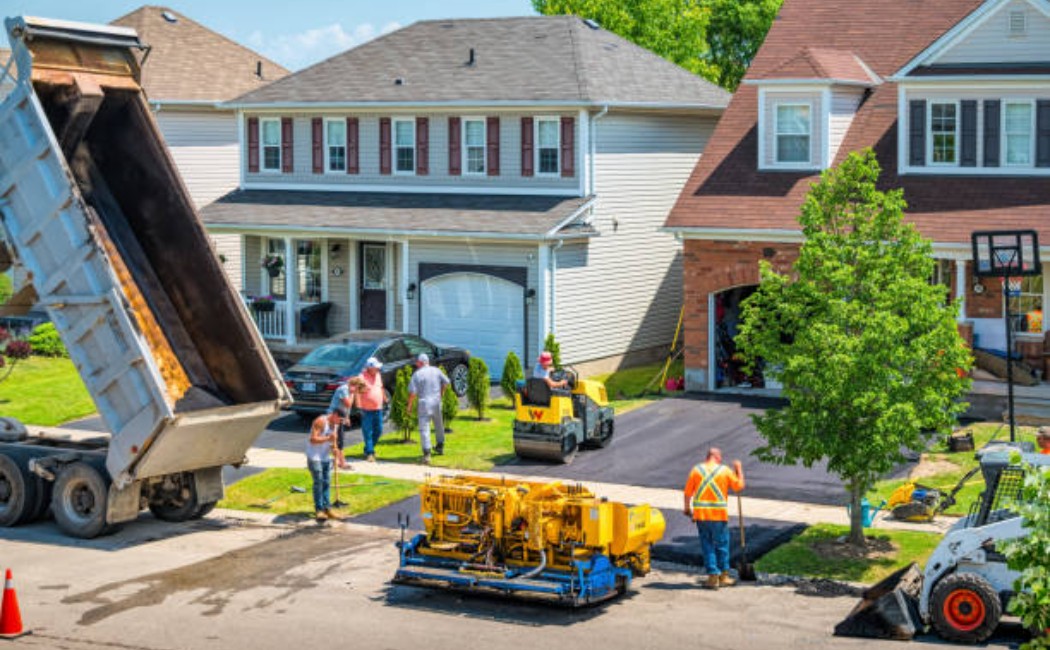
Having a strong, smooth driveway is a dream for many homeowners. It is not only essential for enhancing the curb appeal, safety, and durability of your property. With the drastic climate changes, heavy traffic, and natural wear causes the driveway fails quickly. Even if your driveway is not showing any sign of distress, it doesn’t mean it is in its best condition.
In fact, in some cases, your car is sitting peacefully in the driveway, yet it is deteriorating without any sign. Therefore, knowing when to invest in high-quality asphalt paving can save you from higher repair costs and bigger problems down the road.
Signs When To Replace Your Driveway
Understanding when driveways need to be replaced is easier when you understand the common damage driveway issues. Being knowledgeable is the best way to prevent long-lasting driveway damage. Asphalt has a lifespan of as long as 20 years. Ideally, the life span of asphalt driveways can reach the 15-25 year mark, if maintained and the climate is reasonable.
20 Years Or Older Driveway
As a Property Owner, if your asphalt driveway is nearing the 20-year mark, then it has probably been weakened to the point of no return. Old asphalt starts to lose flexibility, and aging asphalt begins to become more prone to having cracks as well as holes.
Large Areas Of Alligator Cracking
Alligator cracking or fatigue cracking is a form of asphalt pavement distress characterized by a pattern similar to a spider web or reptile skin. Once they begin to spread, they indicate foundational damage rather than surface damage. While patching temporarily fixes the issue, realistically, it will need to be entirely replaced with high-quality asphalt paving.
Frequent Repairs Are No Longer The Solution
If you have to repatch your driveway every year, that is indicative of compromised base structure paving. At that point, the replacement is more cost-efficient than continual repatching.
Deep Potholes Foaming
Potholes indicate there is damaged asphalt on its surface, as it is an inconvenience. It is a clear indicator that your asphalt is failing, and water has permeated your driveway and has destabilized the base. Experienced commercial asphalt contractors know that the presence of multiple or recurring potholes usually means the need for resurfacing or total replacement.
Water Pooling on the Surface
Properly paved driveways have a slope to direct water away. Standing water under or over a more than 5-10% slope erodes the asphalt surface. Water formally speeds deterioration, hence replacement becomes critical.
Edges Crumbling or Breaking Off
Driveway edges tend to be more exposed and show damage first. Crumbling edges mean the asphalt binding materials have further weakened, and the rest of the driveway may follow suit shortly after.
Fading, Gray, or Washed-Out Color
Sun exposure oxidizes asphalt, changing its color from black to grey. While fading alone isn’t alarming, more severe color loss suggests the binder oils have broken down, making the surface more fragile, dried out, and likely to develop cracks.
Multiple Wide Cracks Across the Driveway
Although more extensive hairline cracking is reparable, the presence of numerous long, wide cracks indicates more severe issues. Temperature changes affect asphalt expansion and contraction. Weakened pavement and other surrounding materials will be unable to withstand the stress. From this point, routine construction of asphalt pavement will be required to fully restore the pavement’s integrity.
Loose Gravel or Surface Erosion
This erosion means moisture can now seep in, softening the foundation and quickening the damage. If you notice top granules of the driveway accumulating, the upper, more protective layer of the asphalt surface is wearing off.
Ruts and Depressions Where Vehicles Park
Deepening rutted areas signal weakened pavement layers below the surface. High-pressure, repeated, and sustained loads beneath the surface, such as from heavy vehicles, cause the formation of these grooves or low spots. In this scenario, quality asphalt paving services typically recommend resurfacing or complete replacement.
Professional Asphalt Paving Tips
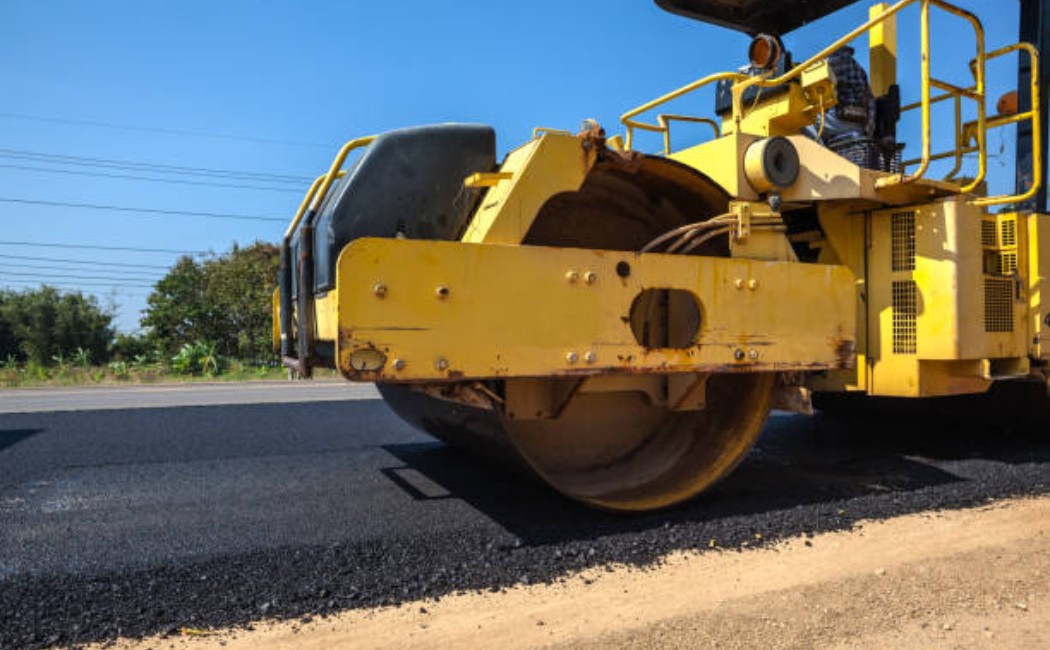
Performing maintenance on an asphalt driveway will prolong its life and the time between major repairs.
Sealcoat Every 2-3 Years
Sealcoat every 2-3 years to protect your driveway from the sun’s UV rays, water damage, chemical damage, and even normal wear and tear.
Fix Cracks Immediately
If small cracks appear, the best course of action is to fill them in immediately, as large cracks can cause serious structural issues.
Maintain Proper Drainage
Water can cause major damage to sink asphalt driveways, as well as the surrounding area. Make sure water is not pooling on the driveway after a rain.
Remove Debris and Clean Regularly
Cleaning the driveway will help remove leaves, oil, and dirt that will trap moisture and speed up deterioration.
Work With Certified Professionals
You must hire experienced professionals to help design your driveway, as there is an optimal thickness, slope, and compaction ratio, as well as appropriate materials to use that will help lengthen the life of your driveway.
Why Choose Jim Paving Chip Sealing For Asphalt Paving?
If you want dependable, long-lasting pavement solutions, Jim Paving Chip Seal is the most reliable paving company with proven dedication to exemplary workmanship and pavement-related customer satisfaction.
Professional asphalt paving contractors on our team do it all: new asphalt paving, routine paving upkeep, and professionally paved asphalt repairs.
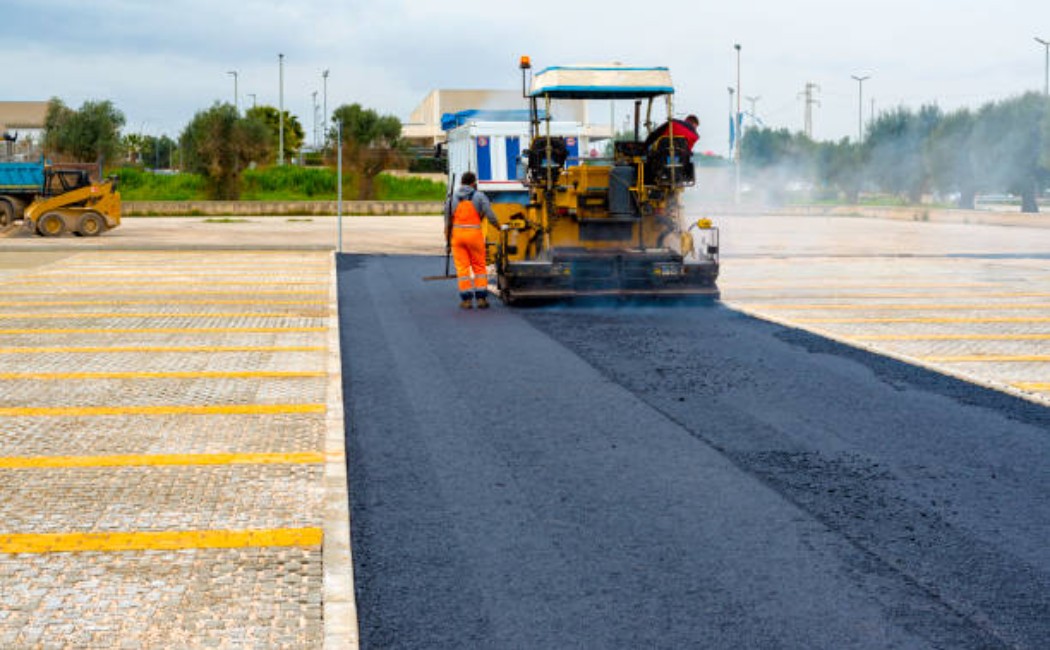
Industry-leading paving contractors offer unmatchable service, as we use the best materials, top-of-the-line equipment, and reliable processes to construct a long-lasting driveway, parking lot, or roadway. Choose us for reliable results and exceptional service.
Final Remarks
From a functionality and aesthetics standpoint, your property’s driveway is one of the most crucial exterior aspects. Recognizing the symptoms of asphalt deterioration enables you to act promptly before minor repairs escalate to expensive replacements.
Cracks, sinkage, and potholes are signs you need our asphalt paving services immediately to provide lasting safety and value.
If the aforementioned signs are evident with your driveway, the most logical next step is to reach out to a professional.
Frequently Asked Questions
When should I consider new asphalt paving for my driveway?
The need for replacement becomes evident if you notice severe cracks, fading, or potholes, uneven surfaces, or if you have made repeat repairs in a short period of time and have had to repair the driveway repeatedly
How long will an asphalt driveway last?
With the right upkeep, an asphalt driveway can last 15 to 25 years on average and with the right upkeep.
Can the entire driveway be avoided if only the superficial cracks are repaired?
Yes, if the cracks are relatively small and superficial in nature, then only those areas would have to be filled eventually.
What causes asphalt driveways to develop potholes?
When water gets into cracks in the asphalt, it will eventually weaken the substructure, and then the asphalt will break and lose integrity.
Why is asphalt paving preferred for driveways?
Especially in climates with freeze-thaw cycles, asphalt can be repaired more simply and is more cost-effective than concrete.